Why Sales Performance Incentives Matter in the Marquee Tent Industry
In the competitive marquee tent manufacturing sector, sales performance directly determines market share and brand growth. Companies that invest in structured incentive programs consistently outperform those that rely solely on base compensation. A well-designed reward system does more than motivate individual sales representatives — it builds team cohesion and reinforces company culture across departments.
Forward-thinking tent manufacturers structure their incentive programs around measurable outcomes: quarterly revenue targets, new client acquisition numbers, and customer retention rates. When sales teams know exactly what benchmarks they are working toward, productivity naturally rises. This principle applies whether the business focuses on marquee tent for sale transactions or large-scale event tent rental contracts.
Key Elements of an Effective Sales Incentive Program
An incentive program works well when it combines monetary rewards with recognition-based motivation. Cash bonuses tied to specific milestones remain a direct motivator, but team-based rewards such as group travel experiences create lasting impact on morale and interdepartmental relationships. The combination of individual and team incentives creates a balanced motivation structure.
Transparency in how rewards are earned is equally important. Sales professionals perform better when they can track their progress against clear criteria throughout the quarter. Regular progress updates, leaderboards, and milestone celebrations keep momentum high. Many successful tent manufacturers publish monthly sales dashboards so every team member knows where they stand relative to targets.
Team Building Through Shared Success Experiences
Group travel rewards serve a dual purpose in the tent industry. Beyond recognizing top performers, these trips create informal networking opportunities where sales staff from different regions can exchange market insights and share effective sales techniques. A sales representative handling clear span marquee tents in Europe might discover new approaches from a colleague managing outdoor event tent sales in Southeast Asia.
These shared experiences also strengthen the emotional connection employees feel toward their organization. When team members return from a group trip with positive memories, they carry that goodwill back into their daily work. The result is lower turnover rates, more collaborative internal communication, and a stronger collective drive to meet company objectives.
Measuring the ROI of Incentive Programs
Tent manufacturers that implement structured incentive programs typically see measurable improvements within two to three quarters. Common metrics include a 15–25 percent increase in average deal size, faster conversion rates from inquiry to purchase, and higher customer satisfaction scores. These gains far outweigh the cost of the incentive program itself.
The most effective programs incorporate participant feedback loops. After each incentive cycle, companies survey their sales teams to understand which aspects of the program worked well and which could be improved. This iterative approach ensures the incentive structure remains relevant as market conditions change and new product lines — such as transparent tent solutions — enter the portfolio.
Frequently Asked Questions
What types of incentives work well for marquee tent sales teams?
A combination of individual cash bonuses, team-based travel rewards, and public recognition programs produces strong results. The mix should align with the company’s sales cycle — short-term bonuses for monthly targets and larger rewards for annual performance.
How often should incentive programs be evaluated?
Quarterly reviews are recommended. This allows companies to adjust targets, refresh reward offerings, and address any concerns before they affect morale. Annual program overhauls ensure the structure stays competitive with industry standards.
Can small tent manufacturers afford incentive programs?
Yes. Even modest budgets can fund effective programs. Low-cost options include extra paid time off, professional development opportunities, and public recognition at company meetings. The key is consistency and transparency rather than the dollar value of the reward.
Do group travel incentives really improve team performance?
Industry data shows that companies offering group travel rewards see 18–30 percent lower voluntary turnover and measurably higher collaboration scores. The shared experience creates relationship bonds that translate into smoother teamwork back in the office.
→ Browse Marquee Tents for Sale
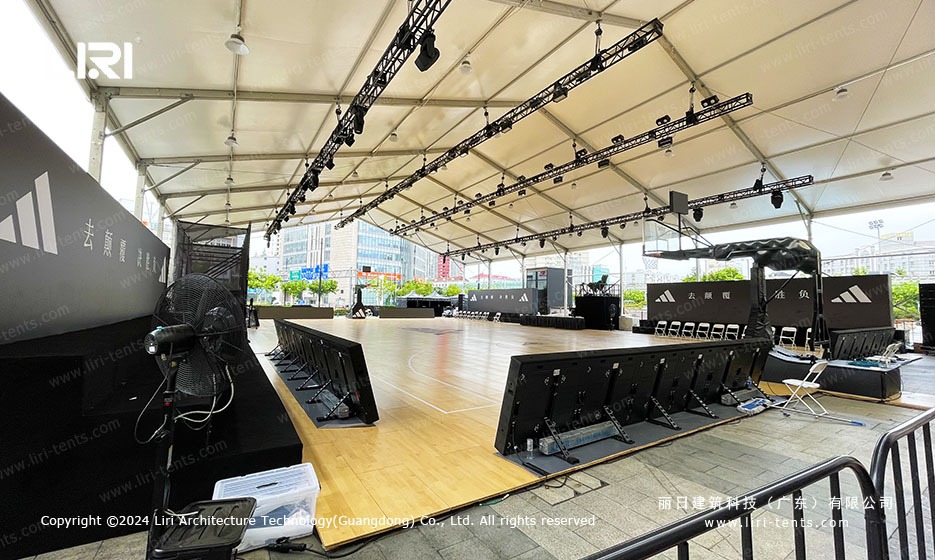
 25m Clear Span Exhibition Marquee: Shanghai Urban Plaza Sports Arena
 10x25m Tension Membrane Marquee Tent: Three-Peak Safari Lodge Structure
 Motorsport VIP Marquee Tent: Beachside Racing Hospitality Solution
 Custom 25x40m TFS Sports Marquee Tent for Basketball Hall
 How a Clear Span Sports Court Marquee Created a Year-Round Basketball Arena
 Outdoor Yacht Storage & Workshop Marquees | Flexible Factory Solutions