Modern Tent Manufacturing Technology: From Raw Materials to Finished Structure
The tent manufacturing industry has evolved significantly over the past two decades. Modern production facilities combine automated CNC machining, precision aluminum forming, and stringent quality management systems to deliver reliable temporary structures. For buyers evaluating a tent manufacturer, understanding the production process is essential for informed purchasing decisions. Unlike basic consumer shelters, commercial marquee tents require industrial-grade engineering where every connection point needs precise tolerances.
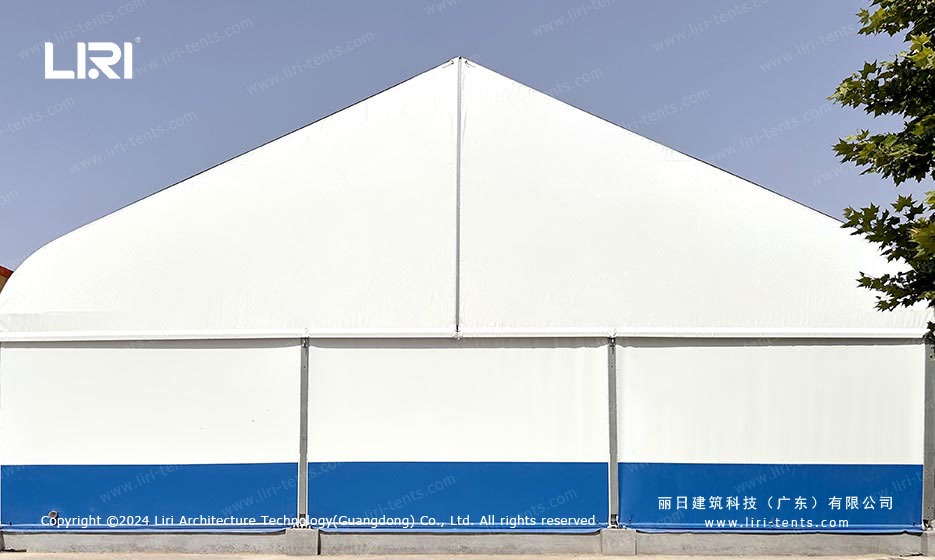
CNC Automation in Aluminum Frame Production
Computer Numerical Control machines have transformed aluminum tent frame manufacturing. These automated systems cut, drill, and shape profiles with tolerances within fractions of a millimeter. CNC automation delivers three advantages: consistent quality across every batch, faster timelines, and the ability to create complex geometries for improved structural performance.
A high quality tent frame starts as extruded 6061-T6 aluminum alloy, the industry standard for strength-to-weight ratio. The CNC machine processes each profile to CAD specifications, ensuring every beam and brace fits precisely during assembly. This precision is critical for large-span structures exceeding 20 meters where small alignment errors can compromise stability.
Automated washing systems further enhance quality by cleaning components before assembly, a level of process control that separates professional-grade marquee tents from lighter alternatives.
Quality Management Systems and ISO Certification
ISO 9001 provides the framework for consistent manufacturing quality. Certified facilities follow documented procedures for raw material inspection, in-process checks, final verification, and packaging. ERP systems track every production batch, linking material lots to finished products. For rental companies operating fleets of aluminum marquee tent inventory, this traceability aids maintenance planning and warranty management.
Professional manufacturers invest in continuous improvement: production metrics are monitored, worker training is ongoing, and processes are refined based on field feedback from installations across different climates and usage patterns.
Material Quality: Aluminum Alloy and PVC Fabric Standards
The two primary materials in a marquee tent have specific quality indicators that buyers should evaluate.
Aluminum frames: Grade 6061-T6 with minimum tensile strength of 310 MPa is the commercial tent standard. Frame thickness ranges from 1.5 mm to 3.0 mm depending on span width. Surface treatment through anodizing or powder coating provides corrosion resistance, particularly in coastal or humid environments.
PVC fabric: Look for fabric weights of 650 g/m² or higher for sidewalls and 850 g/m² for roofs. The material should meet flame retardant standards such as NFPA 701 or DIN 4102 B1. Quality PVC fabric includes UV stabilization to prevent degradation over years of outdoor use, with expected lifespans of 10 to 15 years under normal conditions.
These specifications directly affect structure longevity. A frame marquee installed for a multi-day expo needs fabric that maintains tensile strength through sun exposure and wind stress across repeated setup cycles.
Production Efficiency and Lead Times
Standardization in production translates to faster delivery. Manufacturers using modular design produce frame components in parallel rather than sequentially. A typical 20 m x 40 m event tent requires 400 to 600 individual frame pieces, each cut, drilled, and labeled according to its position. Efficient production systems complete this within two to three weeks for standard designs.
Custom configurations require additional engineering time, but manufacturers with strong CAD and CNC capabilities handle modifications without derailing schedules. Buyers should ask about typical lead times and whether rush orders are feasible.
Request mill certificates for aluminum and test reports for PVC fabric before ordering. These documents provide independent verification of material quality and indicate a manufacturer’s commitment to transparency.
Frequently Asked Questions About Tent Manufacturing
What processes ensure frame precision?
CNC machining centers with ±0.1 mm tolerances produce accurate profiles. Combined with jig-based fixtures, this ensures correct component fitting during installation.
How is tent fabric durability tested?
Testing includes tensile strength, tear resistance, hydrostatic pressure for waterproofness, and accelerated UV aging tests. Reputable manufacturers provide test reports on request.
What warranty is typical for commercial marquee tents?
Manufacturers typically offer 3 to 5 years on the aluminum frame and 2 to 3 years on PVC fabric. Terms vary by usage frequency and environmental conditions.
What should buyers check in manufacturing quality?
Key indicators include ISO certification, aluminum mill certificates, fabric test reports, and batch traceability. A site visit or virtual tour provides additional confidence. Learn more about marquee tent selection standards.
 How a Clear Span Sports Court Marquee Created a Year-Round Basketball Arena
 Wedding Marquee Tent – Outdoor Bangkok Reception Venue
 Event Marquee Tents for Corporate Year-End Party
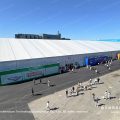 Quality Frame Marquees for Robotics Industry Expo
 Motorsport VIP Marquee Tent: Beachside Racing Hospitality Solution
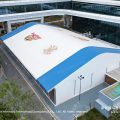 Custom 25x40m TFS Sports Marquee Tent for Basketball Hall