Why Choose a Dome Tent for Your Next Event
Dome tents have gained popularity across the events industry for their distinctive appearance and structural efficiency. Unlike traditional rectangular marquees, a dome tent uses a curved geodesic frame that distributes weight evenly across the entire structure. This design allows for larger clear-span interiors without internal support poles, creating an open, immersive space that works well for exhibitions, hospitality lounges, and VIP gatherings.
From an engineering standpoint, dome structures distribute wind and snow loads more effectively than flat-roof alternatives. A well-designed dome tent can withstand higher wind speeds while using less material per square meter of covered area, making it a cost-effective choice for long-term installations.
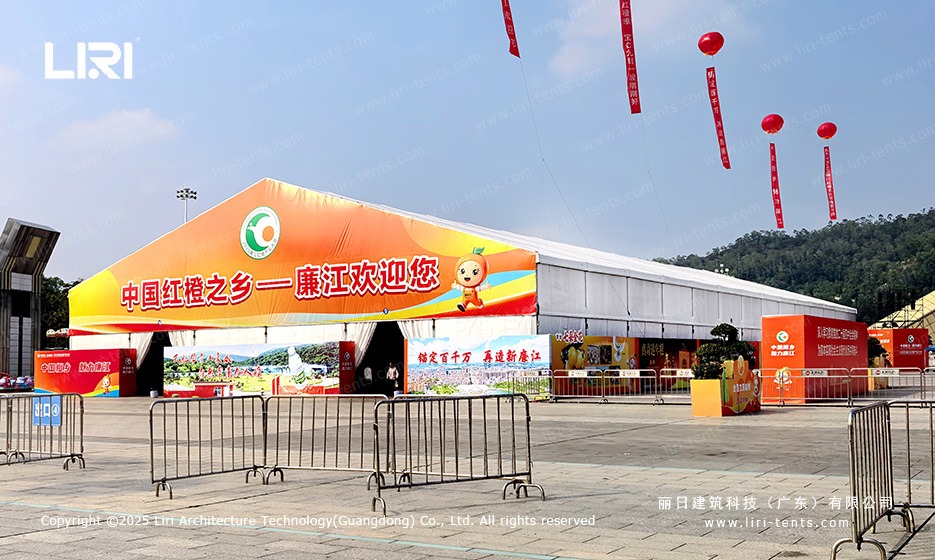
Structural Advantages of Geodesic Dome Design
The geodesic dome design, pioneered by engineer Buckminster Fuller, uses a network of interconnected triangular panels to create a self-bracing structure. Each triangle shares the load with its neighbors, so stress is distributed rather than concentrated at specific points. This principle makes geodesic domes one of the most efficient enclosure structures per unit of material.
For event organizers, this translates to practical benefits. A geodesic dome tent can span 10 meters to 30 meters in diameter with zero internal columns, giving event designers complete freedom for floor layouts. The curved walls also create natural acoustics that work well for speeches, performances, and ambient sound systems.
The frame typically uses the same 6061-T6 aluminum alloy found in standard marquee tents, with节点的连接件 (hub connectors) made from cast aluminum or galvanized steel. PVC fabric panels are cut to precise triangular shapes and tensioned across the frame, creating a weatherproof envelope. Dome tents with proper tensioning can remain stable in wind conditions up to 100 km/h, depending on size and anchoring.
Dome Tent Applications: From Exhibitions to Hospitality
Dome tents are versatile enough for a wide range of event types. At trade fairs and exhibitions, the clear-span interior allows for flexible booth layouts and uninterrupted sightlines. For festivals, a large dome tent can serve as a main stage shelter, VIP lounge, or food court cover. The distinctive shape acts as a natural landmark, helping attendees orient themselves within large event grounds.
In hospitality settings, dome tents are increasingly used for outdoor dining, wedding receptions, and luxury camping (glamping) accommodations. The curved ceiling creates a sense of spaciousness that rectangular tents cannot match. Combined with transparent PVC panels, a dome tent can offer panoramic views while protecting guests from weather. A clear roof dome tent is particularly popular for venues where natural light and sky views are part of the experience.
Storage and logistics also favor dome tents. Many models break down into compact bundles that fit into standard shipping containers. The triangular panel design means replacement sections can be ordered individually rather than replacing entire roof sections, reducing long-term maintenance costs for rental fleets.
Key Considerations When Buying a Dome Tent
When evaluating dome tents, focus on these specifications:
Frame material: Insist on 6061-T6 aluminum with a minimum wall thickness of 2.0 mm for diameters above 15 meters. Cheaper steel frames are heavier and prone to corrosion.
Fabric quality: The PVC fabric should meet local fire safety standards (NFPA 701 or equivalent), have a minimum weight of 650 g/m², and include UV stabilization. Transparent panels should use high-clarity PVC that resists yellowing over time.
Anchoring system: Dome tents require secure ground anchoring. Ballast weights, ground stakes, or concrete anchors may be needed depending on local wind conditions and ground surface.
Ventilation: The enclosed nature of dome tents makes ventilation critical. Look for designs with integrated vent flaps, removable wall panels, or HVAC compatibility. An outdoor events dome tent with proper airflow management will maintain comfort during peak daytime use.
Frequently Asked Questions About Dome Tents
How long does it take to set up a dome tent?
A team of 4 to 6 workers can assemble a 15-meter dome tent in approximately 4 to 6 hours. Larger domes (25 m+) may require 1 to 2 days with a larger crew. Factory-provided assembly manuals and labeled frame components speed up the process.
Are dome tents suitable for winter use?
Yes. The spherical shape sheds snow effectively, and the enclosed design retains heat better than open-sided marquees. Adding insulated liners and heating systems makes dome tents usable year-round in cold climates.
Can dome tents be customized with branding?
Absolutely. PVC fabric panels can be printed with logos, patterns, or full-color graphics using digital printing techniques. Custom colors and transparent panel combinations are also available.
What is the lifespan of a commercial dome tent?
With proper maintenance, a high-quality aluminum dome tent lasts 10 to 15 years. PVC fabric typically requires replacement after 8 to 12 years depending on UV exposure and usage frequency. Learn more about clear span tent durability and maintenance.
 35M Big Geodesic Dome Structure for Multi-Functional Event Hall
 Geodesic Dome for Sale | Clear Roof Dome Marquee Tent Event
 Motorsport VIP Marquee Tent: Beachside Racing Hospitality Solution
 20m Dome Marquee: Visual Impact for Premium Receptions
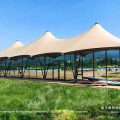 10x25m Tension Membrane Marquee Tent: Three-Peak Safari Lodge Structure
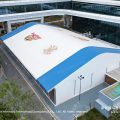 Custom 25x40m TFS Sports Marquee Tent for Basketball Hall