What Makes a Marquee Tent Last: Quality, Materials and Durability
A marquee tent is a significant investment for event rental businesses, venue operators, and organizations that host outdoor events. The difference between a tent that lasts 5 years and one that lasts 15 years comes down to manufacturing quality, material specifications, and proper maintenance. Understanding these factors helps buyers make informed decisions that deliver long-term value.
The principles of quality craftsmanship apply across industries — whether in precision engineering or traditional manufacturing. The same attention to material selection, process control, and quality verification that produces a high-end product in any field also produces a durable, reliable marquee tent. This guide breaks down the specific factors that determine tent longevity.
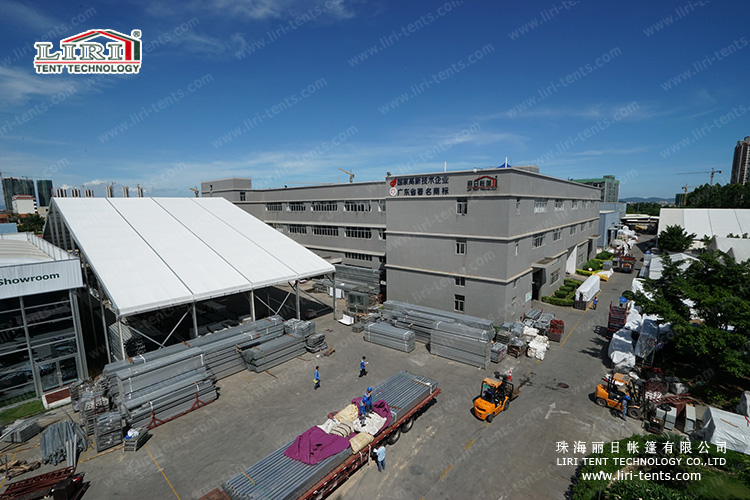
Aluminum Frame Quality: The Backbone of Tent Longevity
The frame is the most critical component determining a marquee tent’s lifespan. Commercial-grade tents use 6061-T6 aluminum alloy, which offers an excellent strength-to-weight ratio and natural corrosion resistance. This alloy, when properly extruded and heat-treated, maintains its structural integrity for decades under normal use conditions.
Key frame quality indicators include:
Wall thickness: Frame profiles for event tents typically range from 1.5 mm to 3.0 mm. Thicker walls provide higher load-bearing capacity but add weight. For most rental applications, 2.0 mm profiles offer an optimal balance of strength and portability.
Surface treatment: Raw aluminum oxidizes naturally, but factory-applied anodizing or powder coating provides additional protection against corrosion, particularly in coastal or high-humidity environments. A good surface treatment layer should be uniform, without bare spots or bubbles.
Connection design: The joints where frame sections meet are often the first points of failure. Look for high quality tent designs that use reinforced corner brackets, galvanized steel connectors, and bolt-through fastenings rather than spring pins or clips for critical load-bearing connections.
PVC Fabric: What Determines Weather Resistance and Lifespan
The fabric cover of a marquee tent takes the most abuse from sun, wind, rain, and temperature fluctuations. PVC-coated polyester fabric is the industry standard, but not all PVC fabric performs equally.
Fabric weight: Measured in grams per square meter (g/m²), heavier fabric generally lasts longer. For sidewalls, 650 g/m² is the minimum for commercial use. Roof panels should be 750 to 900 g/m². Lighter fabrics may save on initial cost but typically require replacement sooner.
UV stabilization: UV radiation is the primary cause of PVC fabric degradation. Quality fabric includes UV stabilizers in both the PVC coating and the base polyester scrim. Without adequate UV protection, fabric becomes brittle, loses tensile strength, and may develop cracks within 3 to 5 years of continuous outdoor exposure.
Flame retardancy: Commercial tents must meet fire safety standards such as NFPA 701, DIN 4102 B1, or BS 7837. Certified fabrics have passed standardized tests and will self-extinguish if ignited. This certification should be renewed periodically as flame retardant properties can diminish over time.
A quality tent supplier will provide fabric test reports showing tensile strength, tear resistance, hydrostatic pressure rating, and UV aging test results. Reviewing these documents before purchase is strongly recommended.
Manufacturing Process Control and Quality Assurance
Consistent quality requires systematic process control throughout manufacturing. Facilities that follow documented procedures for each production stage — from raw material inspection through final assembly — produce more reliable tents.
Enterprise Resource Planning (ERP) systems enable batch traceability, meaning every tent can be traced back to the specific material lots used in its production. If a quality issue arises, the manufacturer can identify affected units and take corrective action quickly. This level of traceability is a hallmark of professional tent manufacturing.
Production standards to look for:
• ISO 9001 quality management certification
• CNC-controlled frame machining for consistent tolerances
• In-process inspection at each assembly stage
• Factory testing of completed tents before shipping
• Written warranty covering frame defects and fabric workmanship
Proper Maintenance Extends Tent Life Significantly
Proper maintenance practices, combined with a marquee tent rental fleet management schedule, can significantly extend equipment life. Rental companies that follow systematic maintenance protocols typically see 30% to 50% longer equipment lifespans compared to those that only address issues after they arise.
Cleaning: PVC fabric should be cleaned with mild soap and water after each use, especially if the tent has been exposed to bird droppings, tree sap, or pollution. Harsh chemicals and pressure washers can damage the PVC coating.
Storage: Fabric should be completely dry before storage to prevent mold and mildew growth. Store in a cool, dry place away from direct sunlight. Aluminum frames should be stacked on pallets or racks to prevent ground moisture contact.
Inspection: Before each setup, check frames for bent or cracked profiles, check fabric for tears or worn spots, and verify that all connectors and fasteners are present and functional. Replace worn parts promptly. A marquee tent for sale that has been properly maintained will have detailed service records.
Frequently Asked Questions About Tent Quality and Durability
How long should a commercial marquee tent last?
With proper maintenance, an aluminum frame tent lasts 10 to 15 years or more. PVC fabric typically needs replacement every 8 to 12 years depending on UV exposure and usage frequency.
What is the most common cause of tent failure?
Wind damage is the leading cause of tent failure, usually resulting from inadequate anchoring rather than frame weakness. Proper ground anchoring — using stakes, ballast, or concrete anchors appropriate for the ground conditions — is essential for safe operation.
Can tent fabric be repaired if damaged?
Yes. Small tears and punctures in PVC fabric can be repaired using PVC repair patches and adhesive. Larger damage may require panel replacement. Many manufacturers offer replacement panels for their tent models, extending the usable life of the frame.
Does tent color affect durability?
Darker colors absorb more heat and UV radiation, which can accelerate fabric aging. White and light-colored fabrics reflect sunlight and typically last longer. However, modern UV-stabilized PVC in any color should provide adequate service life if properly specified.
What warranty should I expect from a tent manufacturer?
Industry-standard warranties are 3 to 5 years on the aluminum frame and 2 to 3 years on the PVC fabric. Some manufacturers offer extended warranties for an additional cost. Always read the warranty terms carefully — exclusions for wind damage and improper use are common. Compare tent manufacturer warranty offerings when evaluating suppliers.
 How a Clear Span Sports Court Marquee Created a Year-Round Basketball Arena
 Wedding Marquee Tent – Outdoor Bangkok Reception Venue
 Quality Frame Marquees for Robotics Industry Expo
 Event Marquee Tents for Corporate Year-End Party
 Motorsport VIP Marquee Tent: Beachside Racing Hospitality Solution
 Heavy-Duty Aluminum Structure for Temporary Supermarket Buildings