Running a tent rental operation means every piece of inventory has to earn its place on the truck. Pagoda-style canopy tents check that box across multiple event categories — from garden receptions and trade show booths to outdoor dining setups and corporate branding activations.
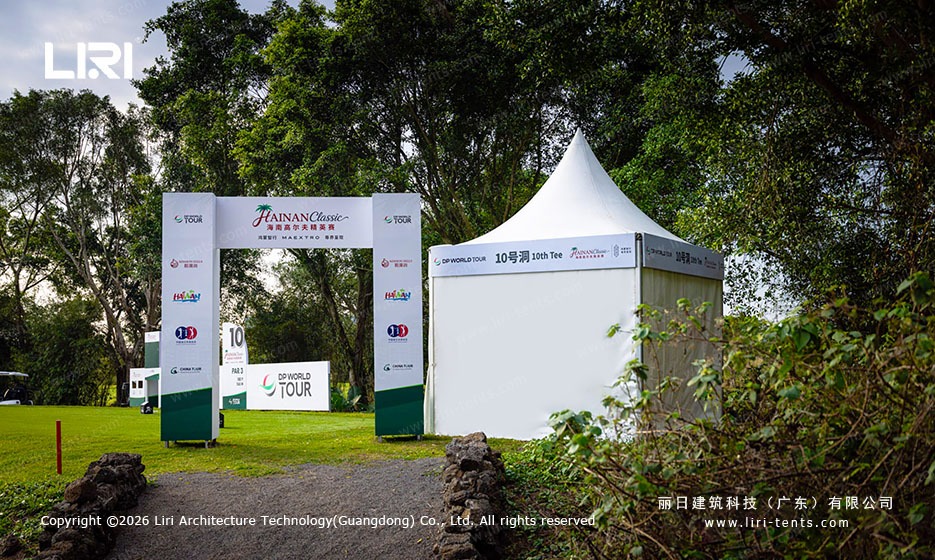
Why Pagoda Tents Fit Rental Fleets
The pagoda shape stands apart from standard clear-span frame structures. With a high central peak and gently sloped eaves, these units draw attention before anyone steps inside. Event planners, wedding coordinators and exhibition organizers often request them specifically because the silhouette photographs well and creates a natural focal point on site.
Structurally, a quality aluminum pagoda tent uses multi-channel extruded profiles — commonly 65×65×2.5mm for spans up to 6m and 122×68×3mm for larger 8m to 10m spans. The frame connects through modular bay sections, typically at 3m intervals, which means you can shorten or extend a tent by adding or removing bays. This modularity helps rental crews adapt inventory to different floor plans without buying entirely separate units for every job — a practical advantage when canopy tent inventory needs to serve multiple site layouts.
What Goes Into the Build
The roof and wall covers rely on PVC-coated polyester fabric — usually 650g/m² to 850g/m² depending on wind-load expectations and how frequently the tent gets erected and struck. Double-layer construction with proper tensioning keeps the peaks crisp and the fabric taut, which matters for both appearance and water runoff. Sidewalls can be solid PVC panels, transparent window walls, or a mix depending on whether the client wants an enclosed space or open-air flow.
Hardware details like hot-dip galvanized steel base plates and wind bracing connectors make the difference between a tent that stays put during a gusty afternoon and one that requires constant adjustment. For rental businesses, fastener quality directly affects setup time and crew frustration — two things that eat into margins fast. Adding pagoda units alongside any marquee tent fleet gives crews more quoting options for planners who want something beyond the standard rectangle.
Where Rental Operators Deploy Them
Smaller 3m and 4m pagoda units work for trade show kiosks, market stalls and product sampling stations. The 5m and 6m sizes cover garden parties, cocktail receptions and VIP lounges. Moving up to 8m and 10m spans, operators routinely bid on corporate launches, outdoor wedding ceremonies and festival activation zones.
A common configuration for medium events is linking multiple pagodas together — three 5m units create a 15m linear frontage, while connecting them in an L-shape yields distinct zones for dining, bar service and mingling. This kind of flexible layout strategy can outperform a single rectangular tent when a venue has irregular boundaries or landscaping constraints.
What span options are available for pagoda tents?
Common spans range from 3m to 10m, with bay distances set at 3m. The frame uses aluminum box-section profiles rated for the span width — lighter profiles for 3m to 6m and heavier 122×68mm sections for 8m and above. Length extends by adding bays, giving operators near-unlimited flexibility without stocking oversized one-off structures.
How quickly can a crew set up a pagoda tent?
An experienced three-person crew typically completes a standard 5m or 6m unit in under an hour, assuming level ground and no anchor complications. Larger 8m to 10m tents with multiple bays may take two to three hours. Using numbered frame components and pre-attached connector hardware speeds up the process significantly.
What wind resistance can these structures handle?
With proper anchoring — ground stakes, concrete ballast blocks or water barrels depending on the surface — a well-built aluminum pagoda tent holds steady in winds up to 80km/h. The peaked roof geometry sheds wind pressure more evenly than flat or low-pitch designs, which adds a safety margin for outdoor sites. Always verify local engineering requirements before bidding a job.
Are the roof covers interchangeable between different tent models?
Generally no — pagoda tent covers are cut to match the specific peak height, eave geometry and bay dimensions of each model. Even within the same factory, a 5m pagoda roof panel will not fit the 6m frame. Rental operators should keep covers organized by model and size, and inspect stitching and PVC coating condition between seasons.
What maintenance extends the service life of a pagoda tent fleet?
Clean PVC covers with mild soap and water after each use — never fold them wet or store them against bare concrete. Inspect aluminum profiles for dents, bent connectors and rust spots on steel hardware before every deployment. Replace worn pins, bolts and tension straps proactively rather than waiting for a field failure during a paid event.
For operators already running a rent a tent business, pagoda structures often open doors to higher-margin bookings where aesthetic appeal carries a premium. Consider how modular event marquee systems complement pagoda layouts when bidding multi-zone events, and review modular aluminum marquee options for side-by-side fleet planning.
 How a Clear Span Sports Court Marquee Created a Year-Round Basketball Arena
 Wedding Marquee Tent – Outdoor Bangkok Reception Venue
 15x38m Clear Span Swimming Pool Marquee Tent — CBT Aluminum Structure
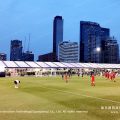 Transparent Marquee Tent for FIFA Fan Zone in Thailand: 20m Clear Span Build
 Pagoda Tents for HK Food Festival
 Heavy-Duty Aluminum Structure for Temporary Supermarket Buildings