Buying an event tent is a different process from renting one. A rental solves a single date; a purchase commits you to a structure you will store, maintain, and reuse across many events, so the frame quality, fabric grade, and supplier support deserve the same scrutiny you would give any capital purchase. The good news is that a well-built basketball court event marquee, looked after properly, keeps working for a decade or more.
Aluminum Frame Quality: The Specs That Predict Lifespan
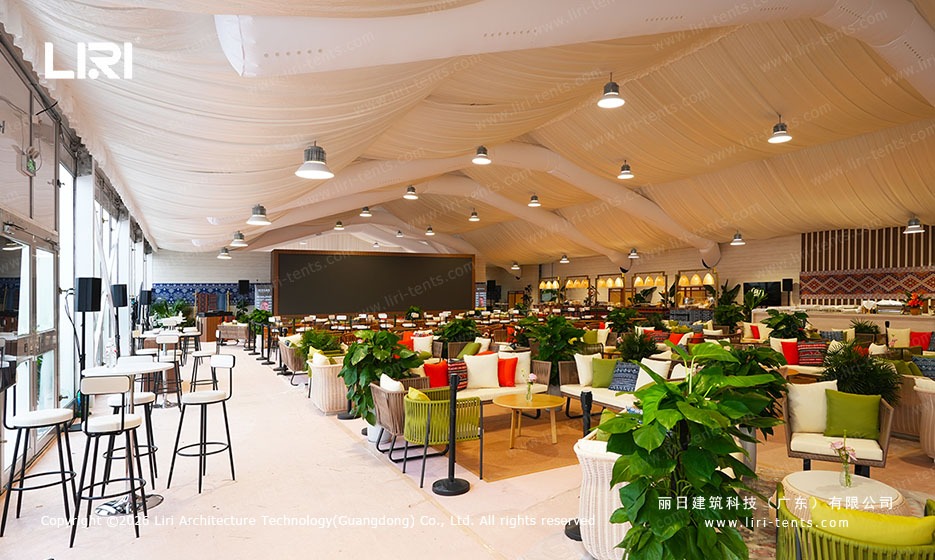
The frame is the part you cannot easily upgrade later, so check it first. Extruded aluminum profiles with anodized or powder-coated finishes resist corrosion in coastal and humid climates, while galvanized steel connectors add strength at the joint points where stress concentrates. Wall thickness and profile shape drive the span capacity, so a 30-meter large event aluminum orangery and a 10-meter event canopy are not the same product even if they look similar in photos.
Joint design determines how stable the structure feels during setup and how rigid it stays under load. Bolted connections with locking hardware are simpler to maintain than welded joints, which cannot be repaired on site. If you plan frequent assembly and disassembly, look for units with color-coded frame components that speed up the build.
Roof Fabric: PVC Coating Weights and Ratings
Roof fabric is sold by weight and coating quality. Commercial grade PVC-coated polyester from 650 to 900 grams per square meter offers the strongest balance of strength, translucency, and lifespan, and the coating should include UV stabilizers and a fire-retardant treatment. Double-layer roofs add insulation for climate-controlled events, while single-layer translucent roofs cut lighting costs during the day.
Ask how the seams are joined. High-frequency welded seams are waterproof and far more durable than stitched seams, which leak over time. An all-terrain event marquee with reinforced seam tape and heavy-duty zippers handles the wear of repeated setup cycles without developing the leaks that cheap tents show after a season or two.
Anchoring, Accessories, and Total Cost of Ownership
Anchoring hardware is often quoted as an extra, and it is the accessory you should never skip. Ground stakes suit firm soil, ballast weights work on concrete and asphalt, and screw anchors handle sand and soft ground. Budget for the anchoring system that matches your most common site type, and store it with the tent so it is never left behind.
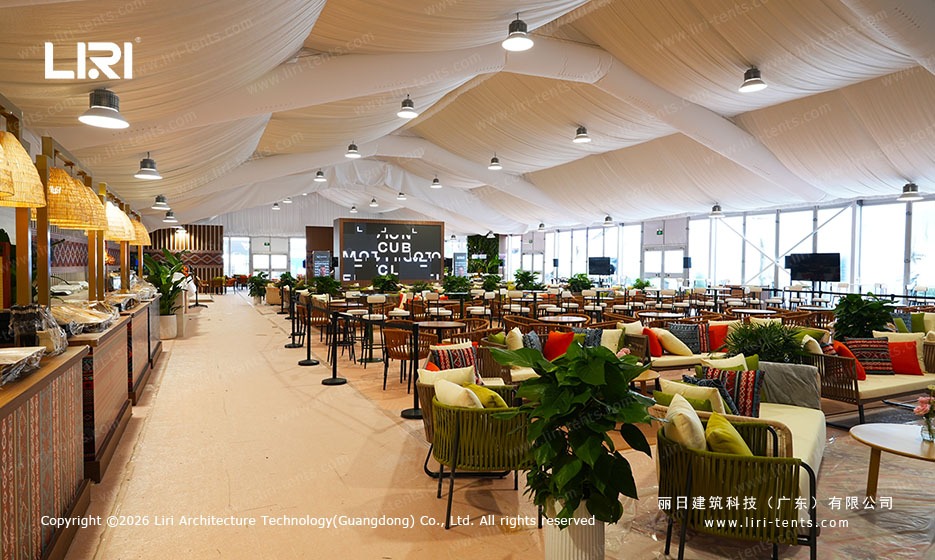
Walls, flooring, lighting, and HVAC are the accessories that turn a shelter into a venue. Transparent glass walls and clear span designs suit premium events, while black marquee options provide a dramatic interior for gala dinners. For buyers comparing options, a clear span glass wall event marquee combines both features in one structure, and a high traffic exhibition marquee shows how the same frame scales for larger events.
Frequently Asked Questions
How long does an aluminum event tent last?
With proper storage and maintenance, an aluminum frame event tent lasts 10 to 15 years, while the PVC roof fabric typically needs replacement after 8 to 12 years depending on sun exposure. Rinsing the fabric, drying it fully before storage, and replacing worn zippers promptly are the main ways to extend that lifespan.
Is a purchased event tent cheaper than renting?
For a business that runs more than five or six events per year, purchasing usually pays back within two to three seasons. Rentals make sense for one-off occasions, but ownership eliminates booking lead time and gives you full control over the layout and branding of every event.
What size event tent do I need for 200 guests?
A 12x30m or 15x30m structure seats around 200 guests at round tables with room for a stage and buffet. If you are adding a dance floor or a bar, step up to a wider span or a longer bay configuration. Always confirm the floor plan with the supplier before finalizing the size.
Can the same tent be used indoors and outdoors?
Yes. Frame tents work on any flat surface including concrete, asphalt, and turf, as long as the anchoring method matches the ground. Indoor use inside a hall or warehouse is also common for overflow space, where the frame does not need anchoring at all.
→ Discuss Your Event Tent Requirements
 Transparent Marquee Tent for FIFA Fan Zone in Thailand: 20m Clear Span Build
 15x38m Clear Span Swimming Pool Marquee Tent — CBT Aluminum Structure
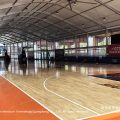 How a Clear Span Sports Court Marquee Created a Year-Round Basketball Arena
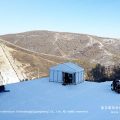 Cold-Weather Event Marquees for Outdoor Winter
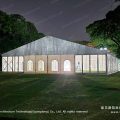 Wedding Marquee Tent – Outdoor Bangkok Reception Venue
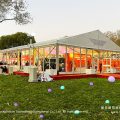 15x30m Aluminum Event Marquee for Outdoor Meeting