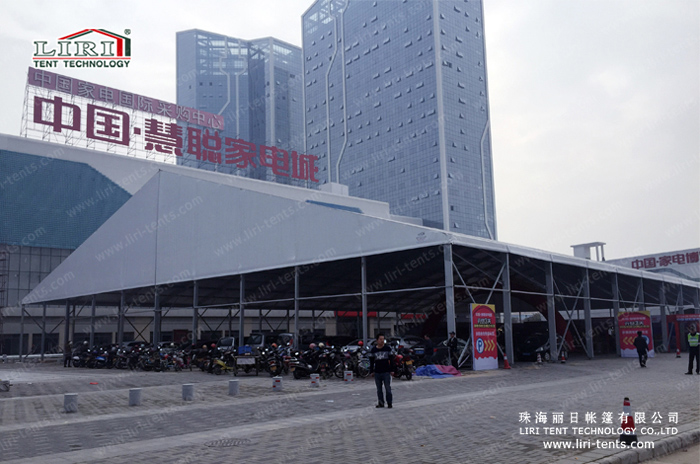
Why the High Peak Profile Dominates Outdoor Weddings
When planners search for high peak marquee tents that make a statement at outdoor receptions, the profile that consistently turns heads is the raised ridge design. high peak tent structures draw the eye upward and create a sense of volume that flat-roof alternatives simply cannot match. For wedding coordinators sourcing from premium aluminum marquee manufacturer partners, the combination of soaring interior height and engineered framework delivers both visual impact and structural reliability.
The signature feature is the roof pitch — typically 18 degrees — rising from a 3.88-meter eave height to a ridge height of 5.5 to 7.9 meters depending on span. This steep angle sheds rain quickly, prevents water pooling, and creates natural convection that keeps the interior cooler during warm-weather events. For luxury wedding marquee tents set up on lawns in summer conditions, this passive ventilation is a practical edge that air conditioning alone cannot replicate. The ridge beam also provides reinforced mounting points for chandeliers, fabric draping, and lighting rigs that define the wedding aesthetic. Event designers often suspend floral arrangements and lantern clusters from the ridge line to create a canopy effect above dining tables. Spans start at 10 meters for intimate gatherings and scale to 25 meters for grand ballroom-scale receptions seating 300 or more.
Engineering and Materials Behind the Look
Underneath the fabric, the framework uses 6061-T6 aluminum alloy extrusions with cross-bracing that maintains rigidity under 100 km/h wind loads. Each frame bay spans 5 meters with diagonal bracing at every connection node, distributing lateral forces evenly through the structure rather than concentrating stress at a few points. The PVC fabric carries DIN 4102 B1 and NFPA 701 fire certifications and a UV-stabilized lacquer coating that resists color fading through extended sun exposure. For outdoor event tent buyers comparing models, three specs carry the most weight: clear span width, eave height, and wind load rating. A 20-meter-wide unit with 3.88-meter eaves accommodates 200 seated guests for a wedding dinner. The aluminum frame sections ship powder-coated in white, silver, or custom RAL-matched colors to meet corporate branding requirements without additional on-site painting. This factory-applied finish also provides an extra corrosion barrier beyond the base anodizing, extending service life for units deployed in coastal or high-humidity environments.
Modular Versatility for Rentals and Venues
What makes these structures versatile is the sidewall system. Standard PVC handles wind and privacy; transparent sections open sightlines; glass wall units with aluminum frames create a semi-permanent feel. For wedding marquee configurations, pairing clear sidewalls with curtain linings and chandelier mounting points on the ridge beam creates indoor ambiance while preserving the outdoor setting.
A marquee tent fitted with wooden flooring, climate control, and decorative lining serves as a complete banquet hall. The same frame with ABS hard walls and rolling doors operates as a warehouse or exhibition space. This modularity is why systems with swappable components attract rental operators who need asset utilization across diverse event types. Running a mixed-use fleet keeps utilization rates above 70 percent throughout the year rather than sitting idle between peak wedding season and corporate event season.
Installation speed matters for venues hosting back-to-back events. A trained crew of four can erect a 20 by 30 meter high peak tent in under six hours using the pin-and-socket connection system. Disassembly runs faster — typically three to four hours — because modular connections release without special tools. Ground anchoring options cover every surface condition: steel stakes for grass, expansion bolts for concrete pads, and ballast weight plates for rooftops or protected paving. The party tent for outdoor event market increasingly expects engineering documentation as standard: wind load reports, material traceability certificates, and fire test reports should ship with every order.
Frequently Asked Questions
Q: What is the practical difference between a high peak tent and a standard A-frame marquee?
A. The ridge height sits roughly 1.5 to 2 meters taller at the same eave height. This extra clearance allows for suspended lighting rigs, decorative drapery, and tiered seating without the ceiling feeling compressed. The steeper roof pitch also drains rainwater faster and sheds accumulated snow more effectively than shallow-profile structures.
Q: How many guests can a 20-meter by 30-meter high peak tent accommodate?
A. For seated dining with round tables, roughly 200 guests. For a standing cocktail reception with high-top tables and passed service, capacity rises to approximately 350. Mixed-use layouts combining seated dining on one side with lounge seating and a bar area on the other typically accommodate 250 to 280 guests comfortably. Adding a dance floor, stage, or buffet stations reduces seating accordingly — plan layouts with your supplier’s CAD team.
Q: Do high peak tents need permanent foundations?
A. No. They anchor to grass, asphalt, or concrete using ground stakes, expansion bolts, or weight plates depending on the surface. Grass sites use galvanized steel stakes driven at each base plate; hard surfaces use expansion bolts into concrete pads; rooftops and protected paving where penetration is not permitted use ballast weight plates. A typical 20-meter bay requires roughly 200 kg of ballast per corner on a rooftop deployment.
Q: What accessories turn a basic high peak tent into a luxury wedding venue?
A. Glass wall panels, curtain linings along the interior ridge, wooden or carpet flooring, chandelier mounting points, and climate control units. Transparent PVC sidewalls paired with string lighting and floral installations along the eaves complete the transformation.
Q: How does international shipping work for tent purchases?
A. Aluminum frames wrap in protective membrane film and load by component length; hardware packs in labeled cartons grouped by bay; PVC covers fold into heavy-duty carry bags with reinforced handles for forklift loading. The longest frame component dictates container type: parts under 5.7 meters ship in 20-foot containers; longer sections need 40-foot or high-cube containers.
Q: What maintenance keeps a high peak tent in service long-term?
A. Inspect frame connectors and locking pins after every assembly. Clean PVC covers with mild soap and water — avoid abrasive cleaners. Store covers dry and folded flat. Replace elastic tension straps annually. The aluminum frame lasts over a decade; PVC covers typically need replacement after five to seven years. For buyers comparing tent for sale options across manufacturers, the total cost of ownership including cover replacement cycles should factor into purchase decisions rather than upfront frame price alone.
 How a Clear Span Sports Court Marquee Created a Year-Round Basketball Arena
 15x38m Clear Span Swimming Pool Marquee Tent — CBT Aluminum Structure
 Transparent Marquee Tent for FIFA Fan Zone in Thailand: 20m Clear Span Build
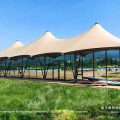 10x25m Tension Membrane Marquee Tent: Three-Peak Safari Lodge Structure
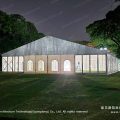 Wedding Marquee Tent – Outdoor Bangkok Reception Venue
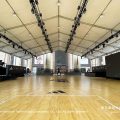 25m Clear Span Exhibition Marquee: Shanghai Urban Plaza Sports Arena