Tent quality is decided in the factory long before the structure reaches an event site. The aluminum frame is cut and drilled to tight tolerances, the PVC fabric is welded under controlled temperature, and every connection is torqued to specification. This article walks through the production process that separates a marquee built for decades of service from one that develops leaks and loose joints after a season.
What Professional Tent Production Looks Like on the Factory Floor
Production starts with CNC machining of the aluminum profiles. A CNC machine follows the engineering drawings automatically, cutting, drilling, and notching each part to the same tolerance every time, which eliminates the errors that come with manual layouts. The same automated process controls the PVC cutting line, so panels match the frame geometry precisely and tension evenly when installed.
After machining, aluminum parts go through anodizing, which prevents blackening and corrosion where the metal meets the fabric. The extruded profiles are inspected for dimensional accuracy before they are packed into sets with the bolts, castings, and connectors for each tent. This level of process control is why buyers trust aluminium frame marquee structures for large exhibitions and long rental campaigns.
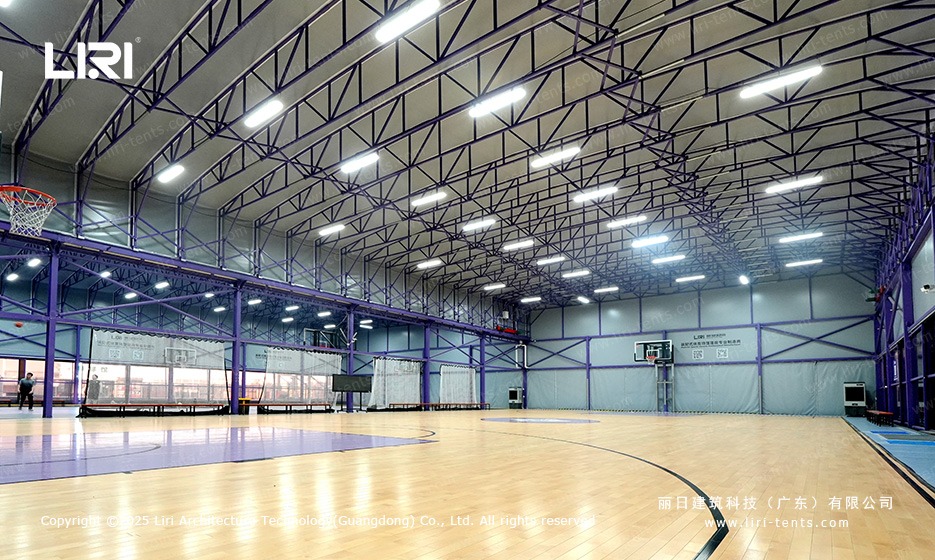
Quality Checks: From Aluminum Profile to Finished Tent
Quality control runs through three stages. First, the raw aluminum alloy is checked against the material certificate for alloy grade and temper. Second, machined parts are gauged at the CNC station, and sample joints are assembled to confirm fit. Third, the finished cover is inspected for weld seams, hem straightness, and coating defects before it is matched with the frame set.
Fabric selection matters as much as machining. Double PVC-coated polyester in the 650-850 g/m² range gives a balance of tear strength and weight, while a translucent roof option keeps interiors bright without artificial lighting. Flame-retardant treatment to DIN 4102 B1 or M2 is standard for exhibition use. When these details are controlled in production, the finished tent carries consistent quality, which is exactly what event companies look for in a quality marquee for a brand launch.
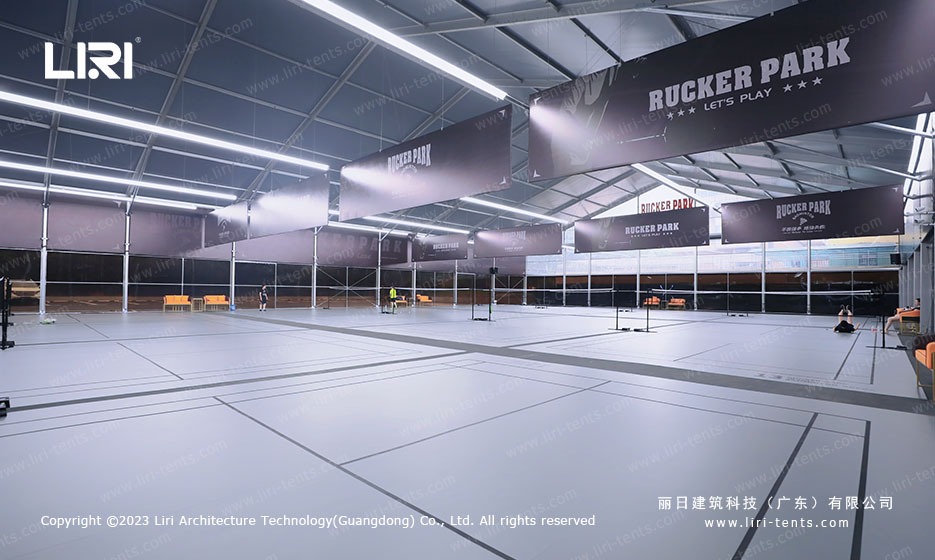
Why Production Consistency Matters for Repeat Buyers
Rental companies and event organizers buy tents repeatedly, and each batch must match the previous one. If the frame geometry drifts between orders, older spare parts stop fitting and the entire inventory becomes a maintenance problem. Consistent production means the roof panels, wall panels, and corner castings from a tent bought two years ago still work with a new unit today.
Standardization is part of that consistency. Tents built from a standard parts library share their connectors, purlins, and base plates across models, so a spare kit supports the whole fleet rather than a single unit. For businesses scaling up their stock, this is the difference between a manageable asset base and a collection of incompatible structures. A quality frame marquee system gives buyers that cross-model compatibility from the start.
FAQ: Professional Tent Production and Quality
How does CNC machining improve tent frame quality?
CNC machines cut and drill aluminum profiles to the same tolerance on every part, removing the variation of manual fabrication. Consistent dimensions mean panels fit tightly, tension distributes evenly, and joints stay tight through repeated assembly and disassembly.
What fabric specifications indicate a high-quality marquee?
Look for double PVC-coated polyester with a coated weight of 650-850 g/m², UV resistance, and flame-retardant certification such as DIN 4102 B1 or M2. A translucent roof option is a plus for events that run during daylight hours.
Why does anodizing matter for aluminum tent frames?
Anodizing forms a protective oxide layer that prevents blackening and corrosion where aluminum contacts the PVC cover and in coastal environments. It extends frame life and keeps the tent presentable for high-end events.
Can I order a marquee with the same parts as my existing inventory?
Yes, if the new tent is built on the same standardized parts library. Confirm with the supplier that the connectors, purlins, and base plates match your current units so spare parts remain interchangeable across your fleet.
For a closer look at how a professional production line supports a live event, read the professional warehouse tent manufacturer guide.
→ Ask About Factory Quality Standards
 How a Clear Span Sports Court Marquee Created a Year-Round Basketball Arena
 Electric Retractable Canopies for Industrial & Factory Aisle
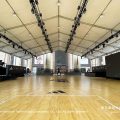 25m Clear Span Exhibition Marquee: Shanghai Urban Plaza Sports Arena
 Wedding Marquee Tent – Outdoor Bangkok Reception Venue
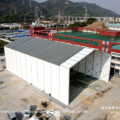 Outdoor Yacht Storage & Workshop Marquees | Flexible Factory Solutions
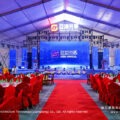 Event Marquee Tents for Corporate Year-End Party