Transparent Canopy Tents and PVC Tent Material: A Practical Guide
Clear-roof structures have become a popular choice for event organizers who want natural light without sacrificing weather protection. A transparent canopy tent lets guests enjoy an open-air ambiance while staying sheltered from rain, wind, or excessive sun. Understanding the material options and structural specifications helps buyers choose the right product for their application.

Understanding PVC Tent Material
The fabric used in transparent tent structures is typically PVC-coated polyester textile. This material is engineered for both clarity and durability. The PVC coating provides waterproofing and UV resistance, while the polyester base delivers tensile strength. High-grade transparent PVC fabric meets European fire standards DIN 4102 B1 and M2, making it suitable for public event use.
Transparent PVC differs from standard opaque tent fabric in one important way: it allows 70 to 85 percent of natural light to pass through while still blocking the majority of UV radiation. This creates a bright, welcoming interior without the greenhouse effect that can occur with lower-quality clear films. The material typically has a service life of 6 to 10 years with proper maintenance.
Structural Specifications and Shapes
These structures are available in standard clear span widths of 10 meters, 12 meters, 15 meters, 16 meters, and 18 meters. The main frame uses extruded anodized aluminum 6061/T6 with a profile size of 204x120x4mm. The modular design allows bay distances of 5 meters, which means the length can be adjusted in 5-meter increments based on the required footprint.
Beyond the basic rectangular clear span layout, clear span tent suppliers offer a variety of shapes: square, hexagonal, octagonal, decagonal, dodecagonal, and double decker configurations. Each geometry suits a different event type. Hexagonal and octagonal tents work well for VIP lounges and bar areas, while double decker units maximize usable space at festivals and corporate events.
Key Accessories for Transparent Tents
A complete outdoor event marquee structure for sale package includes accessories that improve both function and appearance. Clear sidewalls with transparent windows maintain the visual openness from any angle. Ground anchors and weight plates secure the tent on grass, asphalt, or concrete. Interior linings add a polished look for upscale events, and glass wall or ABS hard wall systems create a more solid enclosure for long-duration use.
The choice between transparent and opaque PVC fabric involves a trade-off between light transmission and temperature management. Transparent panels reduce the need for artificial lighting during daytime events, cutting electricity costs. Many operators use a combination: transparent roof panels for brightness with opaque sidewalls for privacy and temperature control. For real-world transparent tent applications, see our transparent marquee tent case study and our clear roof dome tent options for more examples.
Frequently Asked Questions
Is transparent PVC tent fabric strong enough for windy conditions?
Yes. Transparent PVC-coated polyester has a tensile strength comparable to standard opaque PVC fabric. When paired with a properly engineered aluminum frame and adequate anchoring, these structures perform reliably in wind conditions up to 100 km/h.
How do you clean and maintain transparent tent panels?
Warm water and a mild detergent applied with a soft cloth or sponge are sufficient for routine cleaning. Avoid abrasive brushes and solvent-based cleaners, which can scratch or cloud the transparent surface. Regular cleaning every 3 to 6 months maintains clarity and extends fabric life.
Can transparent canopy tents be used for winter events?
Absolutely. The aluminum frame supports snow loads when properly specified, and the PVC fabric retains flexibility in cold temperatures. Adding interior heating and insulated sidewall liners creates a comfortable winter venue.
What is the typical price range for a transparent canopy tent?
Pricing depends on span width, length, and accessory specifications. A 10×20 meter unit with standard accessories typically costs between $8,000 and $15,000, while larger spans like 18×30 meters range from $20,000 to $40,000. Requesting a quote with exact dimensions and local wind and snow load requirements gives the most accurate pricing.
→ Browse Transparent Marquee Tents
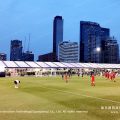 Transparent Marquee Tent for FIFA Fan Zone in Thailand: 20m Clear Span Build
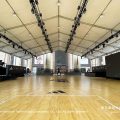 25m Clear Span Exhibition Marquee: Shanghai Urban Plaza Sports Arena
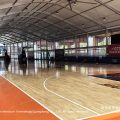 How a Clear Span Sports Court Marquee Created a Year-Round Basketball Arena
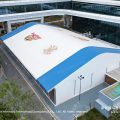 Custom 25x40m TFS Sports Marquee Tent for Basketball Hall
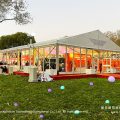 15x30m Aluminum Event Marquee for Outdoor Meeting
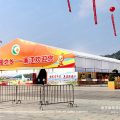 All Weather Event Marquee for Temporary Exhibition Hall