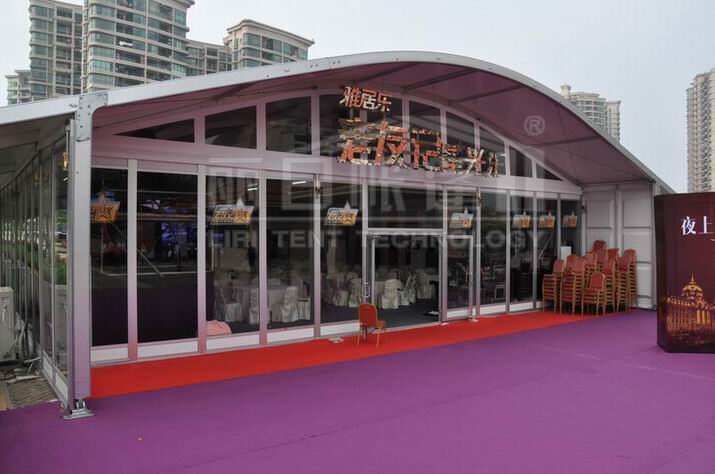
An arcum tent for sale pairs the open floor of a clear span with a curved roof inspired by classic architecture. The result is a structure that looks refined and holds plenty of usable space. arc-roof
Design and Frame
The arcum builds on the A-frame clear span and adds a pre-pressed curved roof beam for a soft, distinctive roof line. The frame uses reinforced aluminium with PVC covers, so the interior stays pole-free and bright. Arc roof City Sports Venues
Space and Feel
The curved roof gives a sense of height and a finished silhouette that suits exhibitions, showrooms, and large gatherings. Without interior columns, the full floor stays open for booths, seating, and displays. arcum
Uses and Setting
Planners choose arcum tents for temporary showrooms, trade events, and upscale functions where appearance matters. Clear or glass walls open the space to the site, and sidewalls manage weather and privacy. Movable Arcum Church Event Center
Setup and Care
A flat, firm site with clear access speeds the build, and anchoring matches the surface. Rinse the fabric after dusty use, check the curved beams each season, and store spares for quick repair. Big
What is an arcum tent?
It is a clear-span frame with a pre-pressed curved roof beam, blending open floor space with a refined roof line. arc-roof
Where does the arcum tent fit?
Exhibitions, temporary showrooms, and upscale functions where the curved silhouette adds a finished look.
How is the interior laid out?
With no interior poles, the full floor stays open for booths, seating, and displays of any plan.
How is it anchored?
Stakes suit soil; weight plates suit paved ground. The method follows the supplier’s wind rating.
Frame, Fabric, and Build Quality
A well-made arcum tent starts with the frame. Extruded aluminum profiles bolt together in standard bays, so the structure stays straight and stable under load without interior poles getting in the way. The roof and walls use PVC-coated fabric that is waterproof, flame retardant, and rated for repeated outdoor use, then packed away for the next job. Because every joint is a bolt rather than a weld, a crew can adjust the layout on site and repair a damaged bay without special tools. Pairing the frame with a arc-roof keeps the whole build consistent from the ground up.
Weather, Wind, and Anchoring
Outdoor use means the arcum tent has to stand up to real conditions. The PVC roof sheds rain, and a sealed gable stops driven water at the ends, so the interior stays dry through a storm. Anchoring depends on the surface: stakes hold in grass and soil, while weight plates keep the frame down on concrete and asphalt without drilling. Suppliers rate each profile to a wind speed and a snow load, and proper anchoring extends that rating further. Choosing the right footprint and method with a arcum keeps the structure safe from the first gust to the last.
Layout, Flooring, and Interior Fit-Out
The open floor of a arcum tent is a blank canvas. Add interlocking flooring for a level surface, lining for a finished look, and clear wall panels to bring in daylight. Climate control, lighting, and power run from a single distribution point, so the interior works as a venue rather than a bare cover. Doors and gutters link multiple units into one continuous space, which suits larger crowds and mixed functions. Reviewing a Big shows how different fit-outs change the feel and the flow of the same frame.
Frame, Fabric, and Build Quality
A well-made arcum tent starts with the frame. Extruded aluminum profiles bolt together in standard bays, so the structure stays straight and stable under load without interior poles getting in the way. The roof and walls use PVC-coated fabric that is waterproof, flame retardant, and rated for repeated outdoor use, then packed away for the next job. Because every joint is a bolt rather than a weld, a crew can adjust the layout on site and repair a damaged bay without special tools. Pairing the frame with a clear keeps the whole build consistent from the ground up.
 10m x 15m Arc Roof Marquee at Wildlife Park
 18.5m x 36m Polygon Tennis Court Marquee PG18.5×36-600 | Clear-Span Aluminum Sports Hall
 Purple Gable Twin Peak Marquee | Two Retractable Roof Bays Over a Rooftop Basketball Court
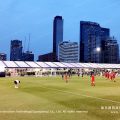 Transparent Marquee Tent for FIFA Fan Zone in Thailand: 20m Clear Span Build
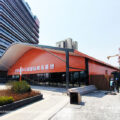 Arc roof Marquee Tent for City Sports Venues
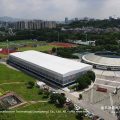 20m x 118m TFS Curve Structure Tennis Court Marquee for 8-Court Sports Park