
A wedding tent turns an outdoor ceremony and reception into a controlled environment without giving up the outdoor feeling. It keeps rain off the tables, shades guests from strong sun and gives the couple a blank canvas for styling. For venues that lack a ballroom, or for couples who want the garden but not the weather risk, a marquee is the practical middle ground.
The decision starts with space. Count the guests, add the dance floor, the bar, the buffet and the cake table, and you get the floor area the tent must cover. An outdoor wedding reception marquee sized for the full guest list avoids the awkwardness of crowded aisles and late-table shuffling.
Weather Protection That Keeps the Day on Schedule
Rain is the classic reason couples book a tent, but sun is just as common a problem. Double PVC-coated fabric blocks UV rays, and insulated roof liners reduce the heat that builds under a thin cover. When a shower hits mid-reception, guests stay dry, the sound system stays powered and the photographer keeps working.
Sidewalls make the protection complete. Solid walls hold heat in cool evenings and block wind, while clear PVC walls keep the garden view while sheltering the room. Many marquees ship with both options so the couple can open the space for the ceremony and close it for the evening dinner.
Design Freedom and Guest Flow
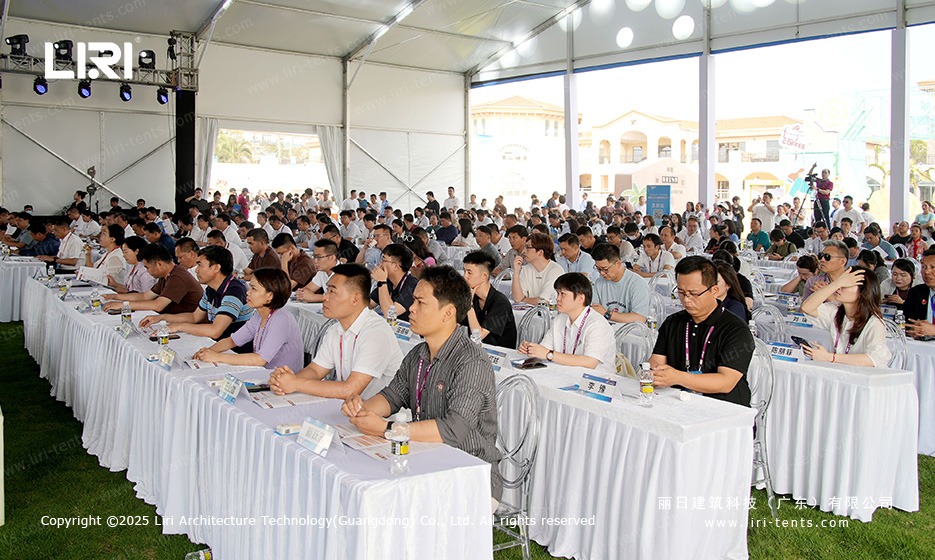
Because the interior is an empty hall, the layout is up to the planner. Long banquet tables, round tables, a central dance floor or a stage for a live band all fit the same clear span footprint, and internal columns do not get in the way. Ceiling drapes, hanging lights and floral installations attach to the frame, which is why orangery frame marquees have become a styling favorite.
Guest flow follows the layout. A typical plan puts the bar and canapes near the entrance, the dining area in the middle and the dance floor at the far end, with restrooms and a cloakroom tucked along one wall. Clear span structures let planners arrange these zones without designing around poles, which keeps service staff moving and queues short.
Rent or Buy: Matching the Tent to the Occasion
For a one-day wedding, renting is usually the lighter cost. The rental covers delivery, setup and takedown, and the couple avoids storage and maintenance altogether. Couples planning multiple events, running a venue or building a business around celebrations may prefer to buy, because the tent becomes an asset that earns across several bookings.
Whatever the choice, size up rather than down. A tent that covers every guest is a safer investment than a cheaper model that leaves part of the party exposed, and the difference in price is small compared with the cost of an unhappy reception. Round up to the next standard size, then confirm the floor plan before the fabric goes up.
Long-Term Value Beyond the Ceremony
A marquee does not have to sit idle after the wedding. The same structure can shelter a family reunion, a birthday party, a charity dinner or a small trade event, which spreads the cost across many occasions. For venues, a marquee on the lawn becomes a bookable function space that fills quiet weekends.
Maintenance is straightforward: keep the fabric clean, store it dry, and check zippers, seams and anchor points after each use. Fabric panels are replaceable individually, so a worn roof section does not mean a new tent. Operators who follow this pattern find that a luxury wedding marquee holds its value well across seasons.
Couples increasingly treat the reception as an experience rather than a formality. Outdoor celebrations, clear walls and lit interiors are part of that shift, and outdoor wedding trends show no sign of slowing. A tent that protects the day and frames the styling is one of the few wedding purchases that works hard from the first hour to the last dance.
Marquee Tent FAQ
What are the main benefits of a wedding tent for an outdoor reception?
A wedding tent provides rain and UV protection, shelters the sound system and catering, and creates a blank interior for styling. It also gives the couple control over the layout, so the space works whether the plan calls for long tables, round tables or a dance floor.
How much space does a wedding marquee need for a seated dinner?
Allow roughly one square meter per seated guest plus the dance floor, bar and buffet zones. A useful rule is to add 30 percent to the dining area for circulation, then match that total to a standard clear span width.
Can a wedding tent protect guests from rain and strong sun?
Yes. Double PVC-coated fabric is waterproof and UV resistant, and roof liners reduce heat buildup. Solid or clear sidewalls complete the protection, keeping the space dry in rain and cooler in direct sun while preserving the outdoor view.
Should couples rent or buy a wedding marquee for a one-day event?
Renting is usually the lighter cost for a single event because delivery, setup and takedown are included. Buying makes sense for couples who run a venue, plan multiple events or want a specific custom size that is not available for rental.
→ Browse Wedding Marquee Tents
 Wedding Marquee Tent – Outdoor Bangkok Reception Venue
 Electric Retractable Canopies for Industrial & Factory Aisle
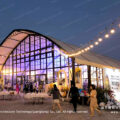 Aluminum Orangery Marquee for Luxury Wedding Party
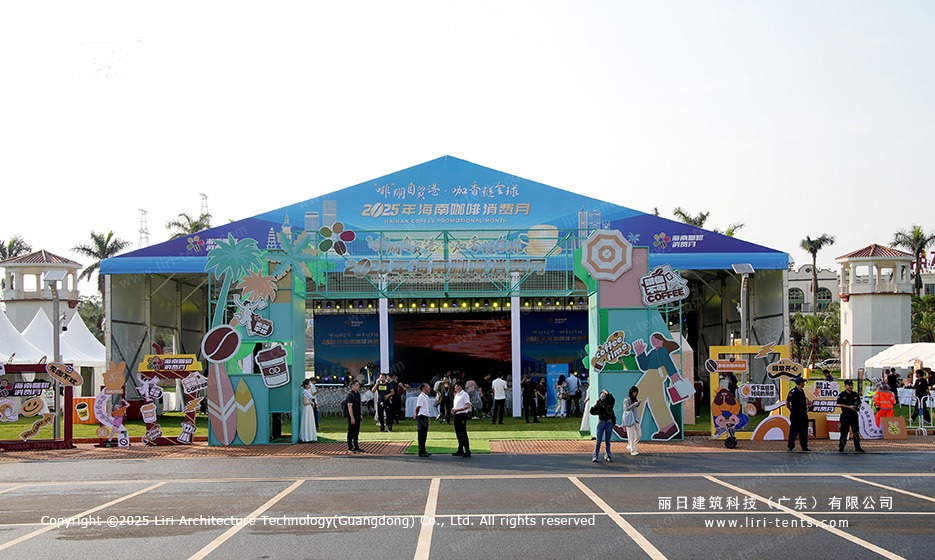
 Hainan Coffee Festival Marquee Tent | Clear-Span Main Hall Plus Pagoda Vendor Booths for a Tropical Trade Month
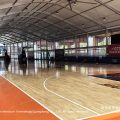 How a Clear Span Sports Court Marquee Created a Year-Round Basketball Arena
 Pagoda & A-Frame Marquee Layout for Davis Cup-Style Tennis Tournament at Hengqin