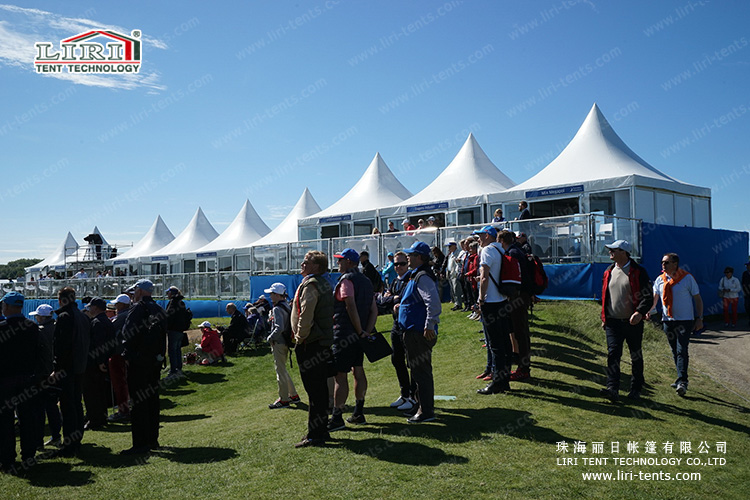
Planning a successful outdoor party comes down to a short list of decisions made in the right order. Venue choice, weather contingency, and the event layout drive almost every other detail, from the catering menu to the lighting plan. Getting these three factors right at the start makes the rest of the planning process run smoothly, whether the event is a small garden gathering or a large festival-scale celebration with a Bangkok outdoor reception marquee as the centerpiece.
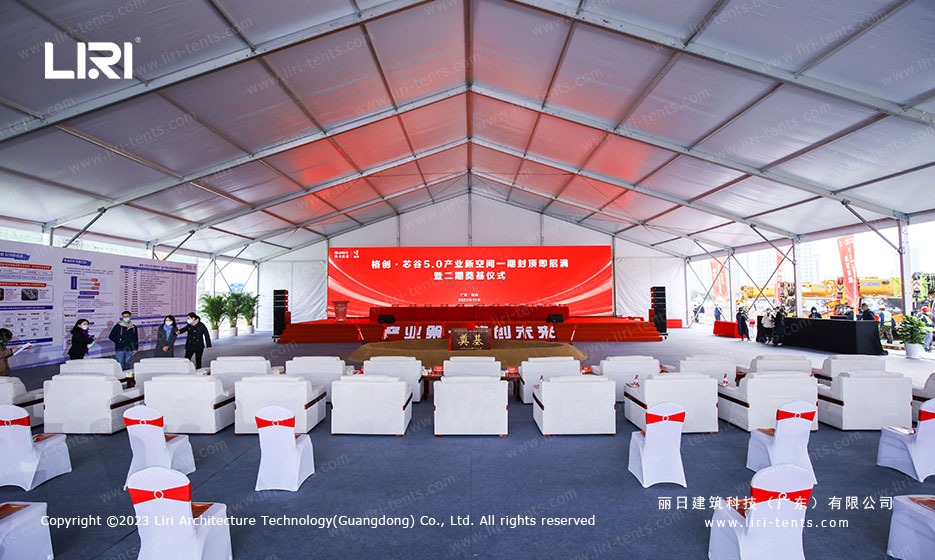
Venue and Ground Conditions: What to Verify Before Booking
The venue sets the ceiling for what is possible, so walk the site before committing. Check the ground surface, drainage, and access for delivery vehicles, and confirm whether the site allows temporary structures and stakes. A flat, firm lawn is the easiest surface for a tent, while concrete or asphalt requires ballast anchoring and a different installation plan.
Ask about power and water access early. Generators are noisy and add cost, so a venue with a nearby power supply is worth paying more for. Lighting, catering equipment, and climate control all draw significant power, and running extension leads across a busy event space is both a trip hazard and a code issue.
Weather Contingency: Planning for the Worst Afternoon
Outdoor events live or die by the weather plan. A tent with side walls converts an open-air plan into a rain-ready venue within minutes, and a proper anchoring system keeps the structure stable in wind. Rather than treating weather cover as an optional extra, plan the full enclosure from the start and only open the walls when the forecast allows.
Heat is as disruptive as rain. White roofs reflect sunlight, translucent panels cut the need for daytime lighting, and open-wall configurations create natural cross-ventilation. For summer events, white wedding marquee tent options with high eaves keep the interior noticeably cooler than dark-roofed structures, and a garden wedding marquee adds shade for daytime ceremonies.
Layout and Guest Flow: Furniture, Buffet, and Dance Floor
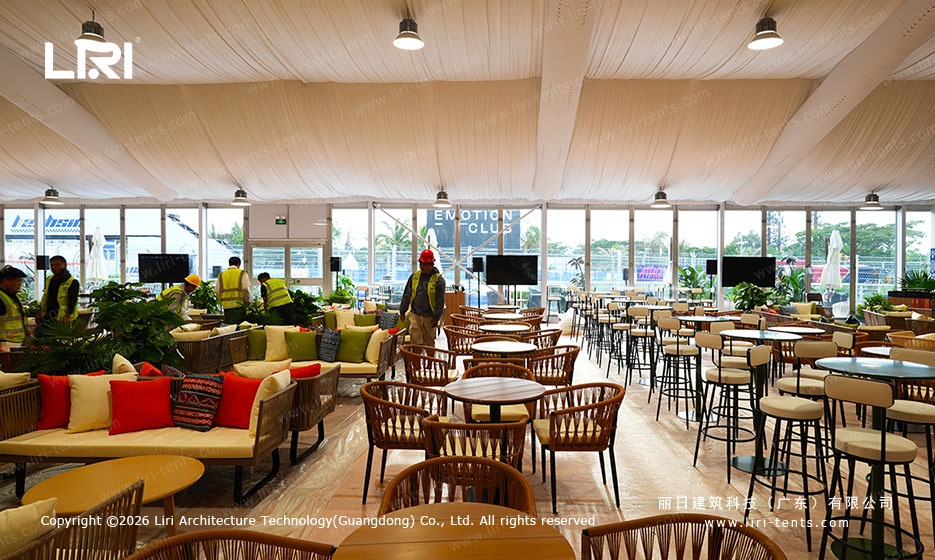
The floor plan decides whether 200 guests feel cramped or comfortable. Start with the largest fixed element, usually the dance floor or the stage, then lay out dining tables around it, leaving circulation aisles of at least 1.5 meters. Buffet stations belong along the walls, not in the middle, so queues do not block the main walkways.
Acoustic planning is the detail most planners forget. Hard tent walls reflect sound, so a DJ or live band inside a large marquee needs acoustic panels or a layout that pushes the speakers toward the short end of the space. For elegant receptions, many organizers choose an luxury wedding orangery marquee whose glass-style walls keep the view open while controlling the sound environment, and couples planning outdoor ceremonies can study outdoor wedding planning guide for layout ideas.
Frequently Asked Questions
How far in advance should I book a party tent?
Book at least four to six weeks ahead for a standard party tent, and three months or more for large or custom structures during peak wedding season. Popular sizes and premium glass-wall models sell out fastest, so early booking also locks in better pricing and installation slots.
What happens if it rains on the event day?
A tent with installed side walls keeps the event fully usable in rain, provided the walls are fitted before the storm arrives. Check the forecast three days out, and confirm with the supplier that wall panels are included in the rental or purchase package rather than treated as an extra.
How do I choose between a frame tent and a pole tent for a party?
Frame tents work on any surface and offer column-free interiors, while pole tents need ground that accepts stakes and use center poles that can block sightlines. For parties with a dance floor and buffet layout, frame tents are the more flexible choice on grass, concrete, or decking.
Do I need a generator for lighting and sound?
Only if the venue lacks a power supply. A typical party with lighting, a sound system, and catering equipment draws 10 to 30 kW, so confirm the venue’s supply capacity early. If a generator is required, place it away from guest areas and budget for fuel and a quiet model.
→ Talk to Our Team About Your Party Plan
 Wedding Marquee Tent – Outdoor Bangkok Reception Venue
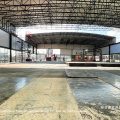 29m x 40m Electric Retractable Basketball Court Marquee for Lock Park Sports Facility
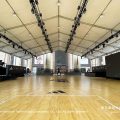 25m Clear Span Exhibition Marquee: Shanghai Urban Plaza Sports Arena
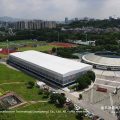 20m x 118m TFS Curve Structure Tennis Court Marquee for 8-Court Sports Park
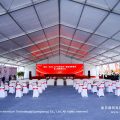 30x40m Foundation Ceremony Marquee Tent for Industrial Park Groundbreaking Event
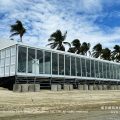 Motorsport VIP Marquee Tent: Beachside Racing Hospitality Solution