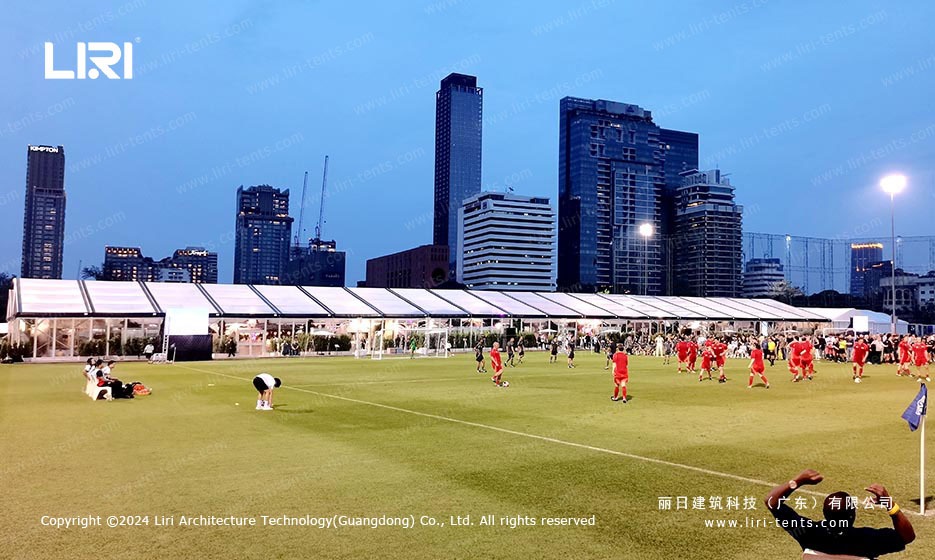
A hire company can add capacity by purchasing a new marquee system or by expanding an existing compatible fleet.
The right choice depends on demand, component compatibility, operating efficiency and the technical requirements of the projects the business wants to serve.
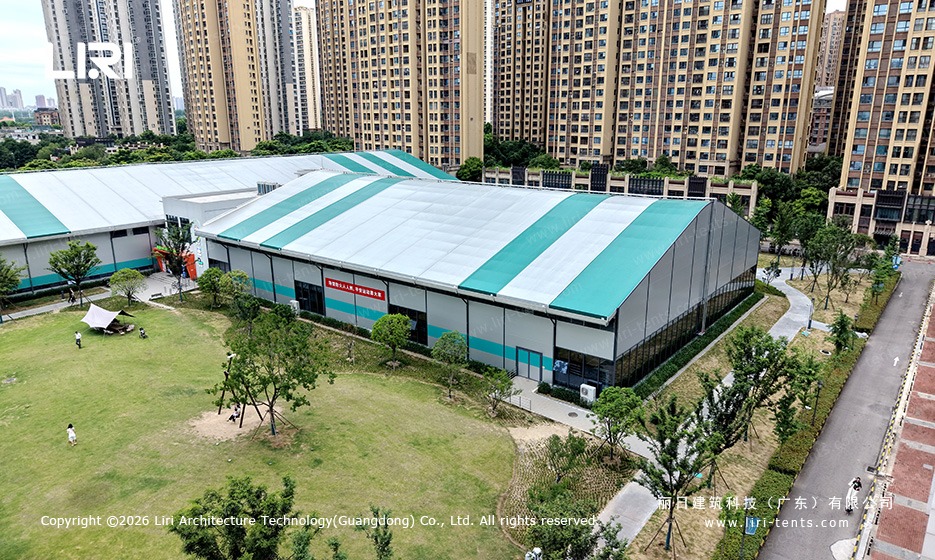
When Expanding an Existing Fleet Makes Sense
Expansion can be efficient when the current frame system is well documented, supported and suitable for the target projects. Shared bays, covers, walling and accessories may reduce training, storage and spare-parts complexity. Existing crews may also be familiar with the installation sequence and packing method.
Do not assume compatibility from appearance alone. Confirm the manufacturer, model, profile dimensions, bay spacing, eave height, connection points and component condition. Provide photographs and any original drawings or order references when requesting additional parts.
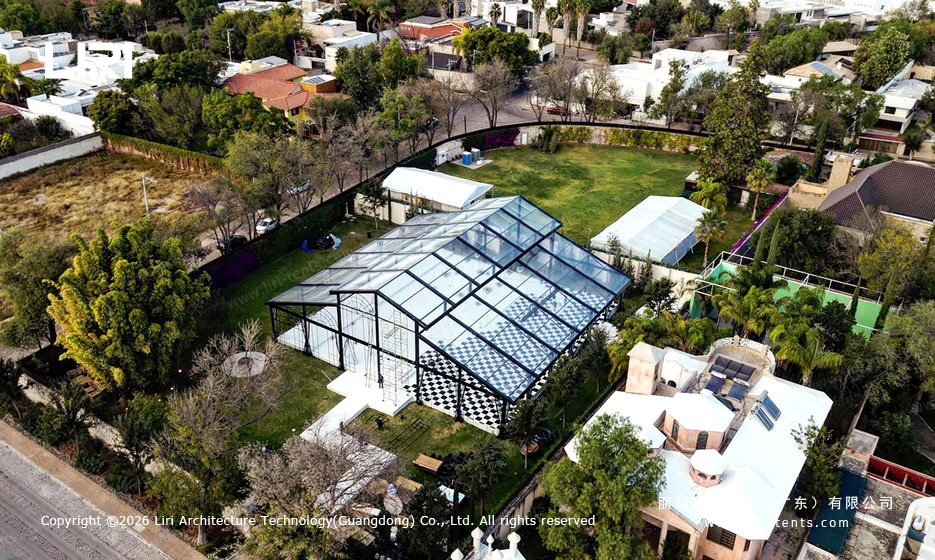
When a New Marquee System Is the Better Option
A separate system may be appropriate when the target projects require a different width, height, shape, wall system or operating method. It can also be preferable when the existing equipment lacks reliable documentation, compatible replacement parts or a clear condition history.
A new purchase creates an opportunity to standardise asset labels, packing lists, inspection records and accessory choices. However, the business must also account for crew training, additional storage locations and a second set of spares.
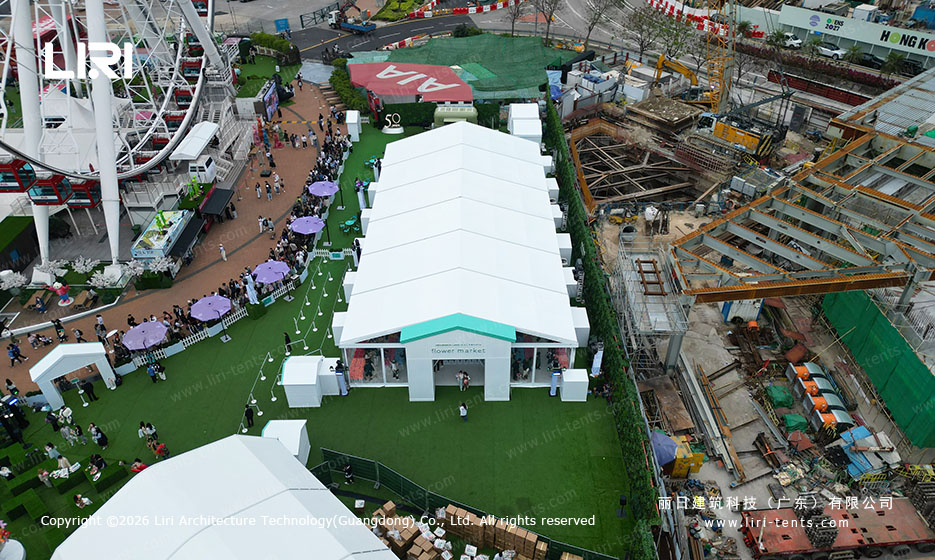
Compare Compatibility Before Price
Prepare a component comparison covering frame profiles, bay modules, roof and wall panels, connectors, doors, flooring and frequently handled parts. Identify which items are genuinely interchangeable, which require adapters or project-specific review, and which must remain completely separate.
Use the accessories and replacement components section to identify the information needed for a parts enquiry. For structure inputs, refer to the marquee tent specification guide.
Model the Operating Impact
Compare transport, installation equipment, crew hours, cleaning, inspections, storage and component control for both options. Include the risk of loading the wrong parts when similar systems are not compatible. A simple asset and packing process can be more valuable over repeated installations than a small difference in purchase price.
Review Demand and Fleet Utilisation
Use booking history to identify recurring capacity gaps. Determine whether additional bays for an existing width would solve the problem or whether customers are requesting a new clear span, eave height or application. Avoid adding specialist inventory without a realistic plan for utilisation.
Information for a Fleet Expansion Review
- Existing manufacturer, model and purchase reference.
- Frame profile and connection photographs.
- Bay spacing, eave height and current configuration.
- Cover, wall, door and flooring details.
- Required new capacity and intended applications.
- Installation country, surfaces and project conditions.
- Quantity, target delivery date and destination.
Review the commercial hire-fleet hub and marquee product types. Then send LIRI your existing system details for a compatibility review.
 How to Select Marquees for a Hire Fleet
 Wind and Weather Planning for Commercial Marquees
 Recent Formula E Shanghai E-Prix Marquee Tent: Multi-Zone Race Village Setup
 Aircraft Hangar Marquee Tent | Clear-Span Industrial Storage
 Badminton Court Marquee | Year-Round Sports Hall Solution
 Outdoor Yacht Storage & Workshop Marquees | Flexible Factory Solutions