Selecting marquees for a hire fleet is a system-planning decision, not simply a choice of appearance. The most useful inventory can be configured for recurring event types, transported efficiently, installed by the available crew and expanded with compatible bays, covers and accessories.
Start with Your Recurring Hire Demand
Review the events, venue sizes and installation surfaces that generate repeat business. Separate regular demand from occasional specialist projects. This helps identify which widths, bay modules, wall options and accessories should form the core fleet and which items can remain project-specific.
Record the usual guest capacity, required clear space, entrance positions, stage or catering areas, vehicle access and delivery restrictions. Capacity alone is not enough: two events with the same guest count may need very different layouts and equipment.
Choose a Compatible Modular System
A modular fleet is easier to manage when frames, bays, covers and accessories follow a controlled compatibility plan. Before buying, confirm the profile, bay spacing, connection system, eave height and available length increments. Ask how the proposed structure can be extended and which components are shared across configurations.
Use the marquee product catalogue to compare structure types. Then prepare the inputs listed in the marquee tent specification guide.
Match the Fleet to Installation Operations
Consider the crew, lifting equipment, transport vehicles and storage space available to the business. A structure that suits the event still has to fit the company’s operating model. Review packed dimensions, component weights, loading sequence, installation instructions and the way small parts are controlled between projects.
Repeated installation increases the importance of clear asset labels, component counts and condition records. Include inspection, cleaning, drying and repacking time in the operating plan rather than treating these steps as an afterthought.
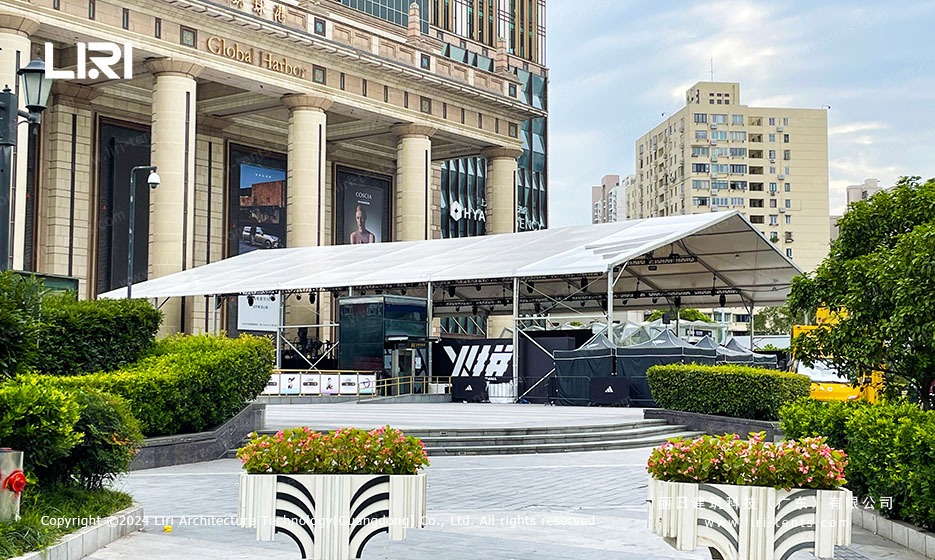
Plan Walls, Flooring and Event Options
Define the wall, entrance, flooring, lining, lighting and climate-control combinations most often requested by customers. A balanced core inventory should cover common configurations without creating a large number of incompatible one-off parts.
Review the available marquee accessories and replacement components. Confirm compatibility against the selected frame system before ordering additions for an existing fleet.
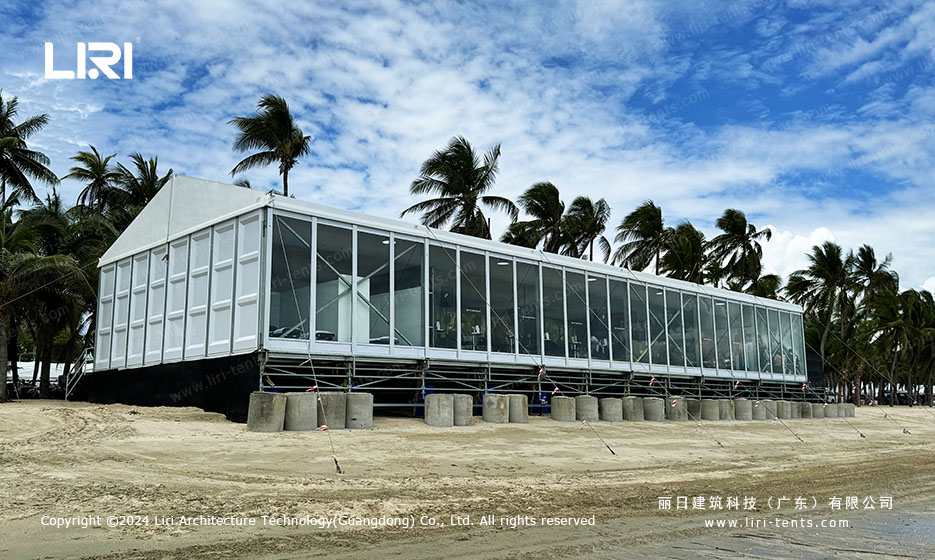
Include Weather and Site Inputs
Provide the installation country, exact site, surface, exposure, intended use and operating period for project-specific review. Wind, snow, anchoring and approval requirements cannot be selected from a universal online value. They need to be assessed against the proposed structure and local project conditions.
Compare the Complete Fleet Cost
Compare more than the initial structure price. Include transport, installation equipment, storage, cleaning, inspections, replacement covers, frequently handled parts, documentation and the cost of maintaining multiple incompatible systems. A lower purchase price may not reduce the operating cost if it creates extra handling or limits reuse.
Prepare a Hire-Fleet RFQ
For a useful quotation, include buyer type, current fleet size, destination country, intended applications, preferred widths and lengths, required quantities, expected setup frequency, installation surfaces, walling and flooring needs, replacement-parts requirements, target delivery date and available details of any existing system.
Visit marquees for commercial hire fleets for the main rental-buyer hub, or request a trade marquee quotation.
 Buy a New Marquee or Expand an Existing Hire Fleet?
 Wind and Weather Planning for Commercial Marquees
 Sanya Formula E Marquee Tent: Multi-Zone Layout for Electric Racing Event
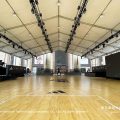 25m Clear Span Exhibition Marquee: Shanghai Urban Plaza Sports Arena
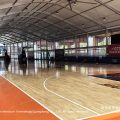 How a Clear Span Sports Court Marquee Created a Year-Round Basketball Arena
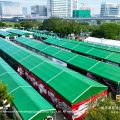 Quality Event Marquee Hire:From Pit Bays to VIP Hospitality