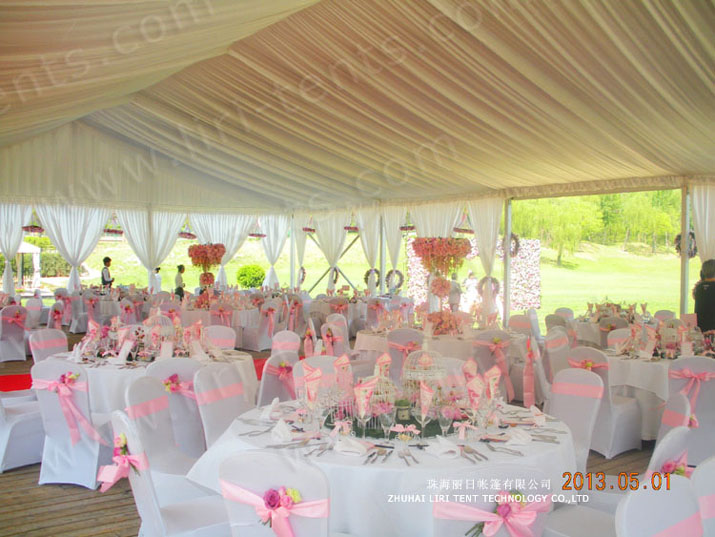
The tent you choose for a wedding does more than keep the rain off. It sets the mood for the whole day, frames the photos, and decides how comfortably two hundred guests can move between dinner and dancing. Wedding tent rental companies carry several structural styles, and each one suits a different kind of venue and budget.
Before comparing styles, settle the basics: guest count, site conditions, and whether the tent needs sidewalls. A flat lawn, a paved terrace, and a windy hilltop all favor different structures. Work through these details with the rental company first, then match the style to the setting.
Traditional Frame Tents for Backyard Receptions
Traditional frame tents are the workhorse of backyard wedding receptions. They stand on their own frame without center poles, which keeps the floor clear for tables and guests. The walls are straight, so the space feels tidy and the layout is easy to plan.
These tents work well for smaller guest lists and moderate budgets. You can add sidewalls for cooler evenings, install a simple floor, and hang basic lighting from the frame. For a garden wedding with eighty to one hundred fifty guests, this style keeps costs sensible without looking temporary. A white wedding marquee for sale in this format is a common choice for venue owners.
High Peaked Tension Tents for Drama
High peaked tension tents are chosen for looks. The tall roof lines are striking both inside and out, which makes them a favorite for couples who want the tent itself to be part of the decor. The peaks give headroom in the center, so chandeliers and draped ceilings work well.
The trade-off is interior space. The angled walls cut into the usable floor area, so these tents suit ceremonies and cocktail events more than dense banquet seating. Many couples use a peaked tent for the ceremony and move to a frame tent for dinner. If the whole day happens under one structure, an aluminum orangery tent for luxury wedding provides drama with more usable floor.
Clear Span Tents for Large Receptions
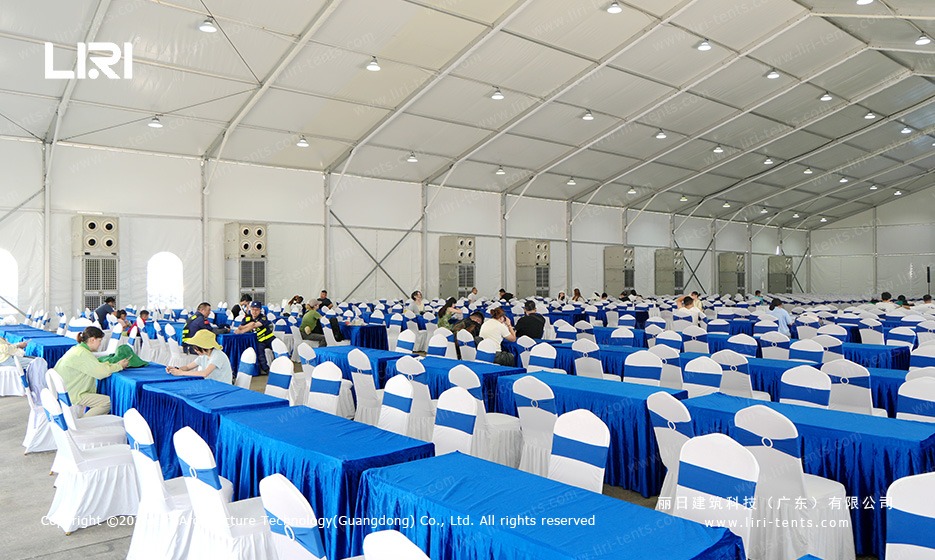
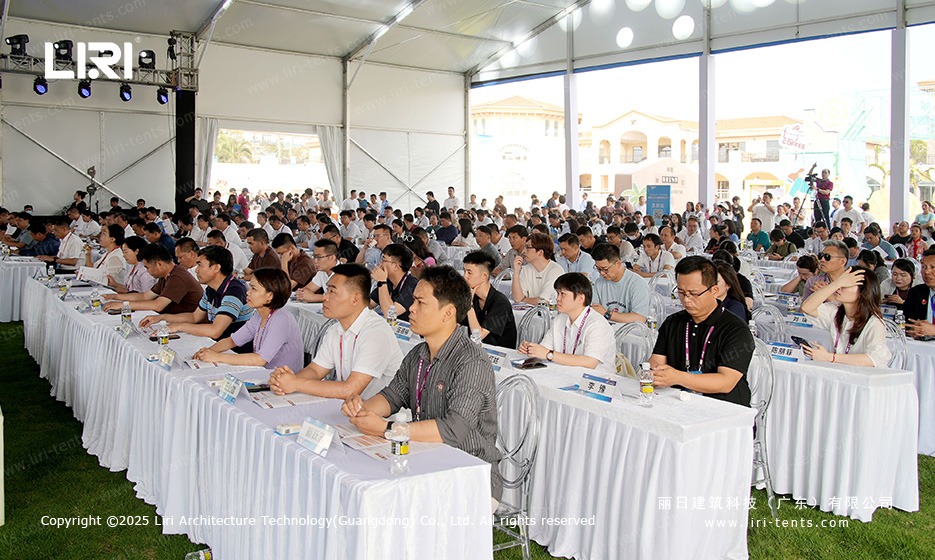
Clear span tents are the answer when the guest list runs into the hundreds. The frame carries the load from the perimeter, leaving the whole interior free of poles. That open floor lets you place a stage, a dance floor, and a full kitchen line without working around supports.
These structures are also the most weather-resistant option. They are engineered to handle wind and rain, and the covers seal out the weather properly when sidewalls are fitted. For an exposed site or a reception that runs late into the night, this is the reliable choice. A outdoor wedding marquee reception built on a clear span frame shows how much room a large celebration gets.
Most wedding tent rental issues come from the site, not the tent. Check the ground for drainage, confirm there is access for the delivery truck, and verify local rules about pegging and anchoring. Size the tent around the reception, not the ceremony, and confirm the timeline with the supplier so the structure is fully dressed before guests arrive. luxury wedding marquee hire packages differ mainly in how the space feels once the furniture is in, so compare a few before deciding.
Frequently Asked Questions
Which wedding tent rental style is the right fit for a backyard reception?
Traditional frame tents suit backyard weddings because they are freestanding, work on grass, and keep the interior free of center poles. They are easy to dress with sidewalls and lighting, and they fit smaller guest lists without looking oversized.
What is the difference between a peaked tent and a clear span tent?
A peaked tent has a tall roof line that looks dramatic but angled walls that reduce usable floor area. A clear span tent uses perimeter trusses for a flat, open interior that handles dense seating and staging. For large receptions, clear span is the practical option.
Do we need flooring inside the wedding tent?
Flooring is recommended on grass sites because it keeps the interior clean, level, and dry. Options range from simple vinyl to wooden cassette systems. If the reception includes dancing or formal dress, a proper floor makes the space feel like a real venue.
How many guests fit in a clear span wedding tent?
As a rough guide, allow about one square meter per guest for banquet seating. A fifteen by thirty meter clear span tent seats around four hundred people with space for a dance floor. Confirm the exact layout with the supplier, since tables, stages, and buffets all take room. A white wedding marquee hire with a clear floor plan is easier to dress and faster to set up.
→ Browse Garden Wedding Marquee for Sale
 Race Track Marquee Tent | Spectator Lounge and Multi-Zone Race Village for a GT Championship Weekend
 Wedding Marquee Tent – Outdoor Bangkok Reception Venue
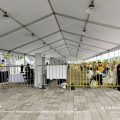 Recent Formula E Shanghai E-Prix Marquee Tent: Multi-Zone Race Village Setup
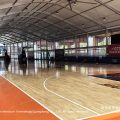 How a Clear Span Sports Court Marquee Created a Year-Round Basketball Arena
 Sanya Formula E Marquee Tent: Multi-Zone Layout for Electric Racing Event
 25m Clear Span Exhibition Marquee: Shanghai Urban Plaza Sports Arena