Buying a wedding marquee instead of renting changes the economics of an outdoor venue. One purchase covers the structure for years, and the same tent can be re-dressed for a different theme at every event. Wedding marquees for sale come in clear-span widths from three to eighty meters, so the same product family covers a small garden ceremony and a large reception hall.
What matters in a marquee is the frame. A well-built aluminum frame keeps the structure stable for decades, while a cheap one shows up in the first strong wind. The cover, the fittings, and the way the sections join together decide how quickly the tent goes up and how long it lasts.
Modular Design and Standard Sizes
Wedding marquees are built in modular sections, usually in three and five meter bays. That means the length is not fixed at the factory; you extend the tent by adding bays to match the guest count. A couple planning for one hundred twenty guests can start with a shorter structure and add sections for a later, larger event.
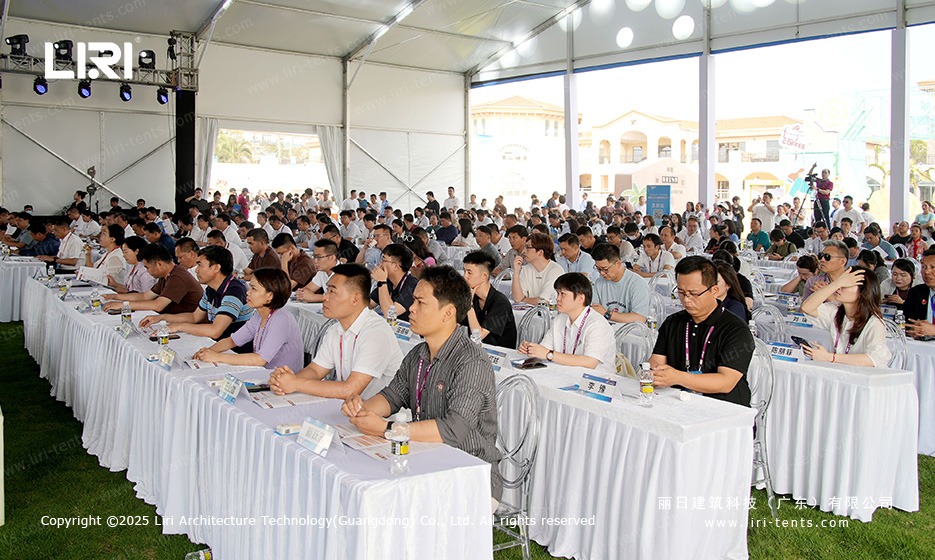
Width is the fixed part of the decision. Clear-span widths start around three meters for narrow side areas and go up to eighty meters for full hall coverage. The wider the span, the stronger the frame needs to be, which is why width drives most of the cost. Most wedding venues work in the ten to thirty meter range. A garden wedding marquee for sale shows how a mid-size structure handles a real reception layout.
Roof Styles for Different Looks
The roof profile sets the character of the tent. Classic A-frame roofs are simple and economical, curved roofs look softer and more modern, and high peak roofs give the dramatic ceiling height that suits chandeliers and draped fabric. Hip ends and multi-sided designs add more visual interest at the gable ends.
Roof choice also affects how the space feels inside. A high peak roof creates a sense of occasion over the dance floor, while a flat roof keeps the whole interior usable for seating. Many operators choose a peaked roof for the entrance and a flat clear span for the main hall. A wedding marquee tent for outdoor reception in Bangkok shows a peaked layout working for a full evening event.
What Comes With a Wedding Marquee Package
A complete wedding marquee package goes beyond the frame and cover. Flooring, lighting, air conditioning, and interior liners are usually separate line items, and they make up a large part of the total cost. Decide which of these the venue actually needs before you budget.
Insulated sandwich panel walls turn the tent into a fully enclosed hall, which matters for winter events and for venues that need a more permanent look. Transparent covers, glass walls, and mesh windows are optional upgrades that change how the structure performs in summer heat or on windy days. A white wedding marquee for sale with a standard package of flooring and lighting delivers the most value, because the neutral look dresses up easily for any theme.
Frequently Asked Questions
How long does a wedding marquee take to install?
A standard frame tent of ten to twenty meters goes up in one to two days with a small crew, and the interior dressing takes another day. Larger clear span structures need more time because the frame sections are heavier. Ask the supplier for a site-specific schedule before purchase. The same applies to luxury wedding marquee for sale packages, where transport and crew time vary by region.
Can a wedding marquee stay up for a whole season?
Yes. Wedding marquees are designed as semi-permanent structures and can remain erected for months. The cover should be checked regularly, and the frame inspected after strong wind. Suppliers provide maintenance guidance with the structure.
What is the lifespan of a wedding marquee tent?
With proper care, the aluminum frame lasts fifteen years or more, and the PVC cover lasts roughly eight to ten years before needing replacement. The cover is the part that wears out first, so buying from a supplier who stocks replacement covers protects your investment.
Do we need a building permit for a wedding marquee?
Requirements vary by region. Temporary structures under a certain size are often exempt, but large clear span tents may need approval. Confirm the rules with the local authority and ask the supplier for load calculations and structural drawings to support the application.
→ Browse Luxury Wedding Party Marquee
 Race Track Marquee Tent | Spectator Lounge and Multi-Zone Race Village for a GT Championship Weekend
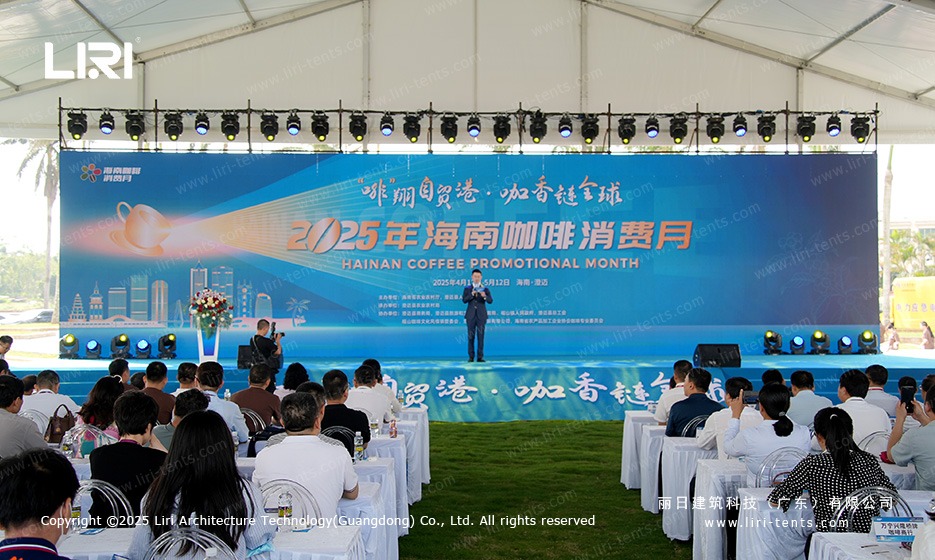
 Hainan Coffee Festival Marquee Tent | Clear-Span Main Hall Plus Pagoda Vendor Booths for a Tropical Trade Month
 Badminton Court Marquee | Year-Round Sports Hall Solution
 Wedding Marquee Tent – Outdoor Bangkok Reception Venue
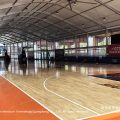 How a Clear Span Sports Court Marquee Created a Year-Round Basketball Arena
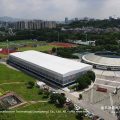 20m x 118m TFS Curve Structure Tennis Court Marquee for 8-Court Sports Park