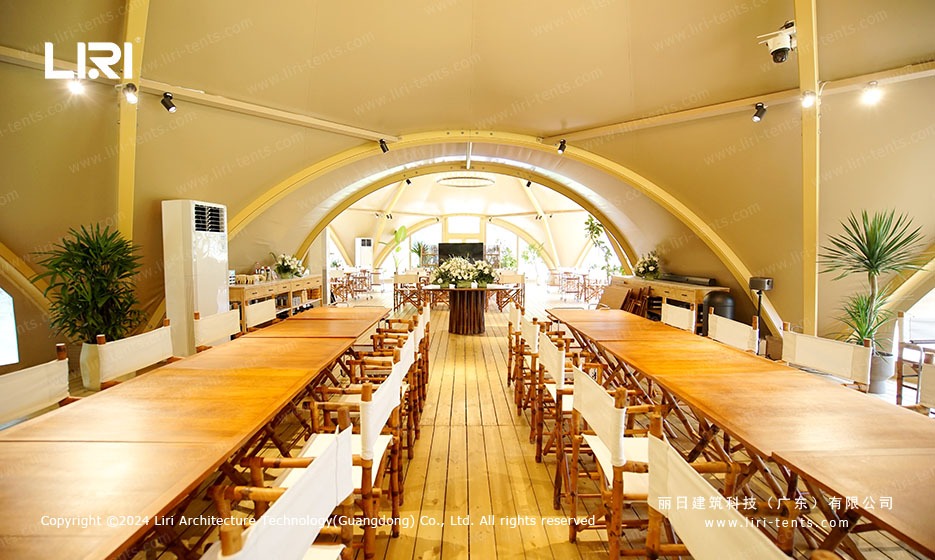
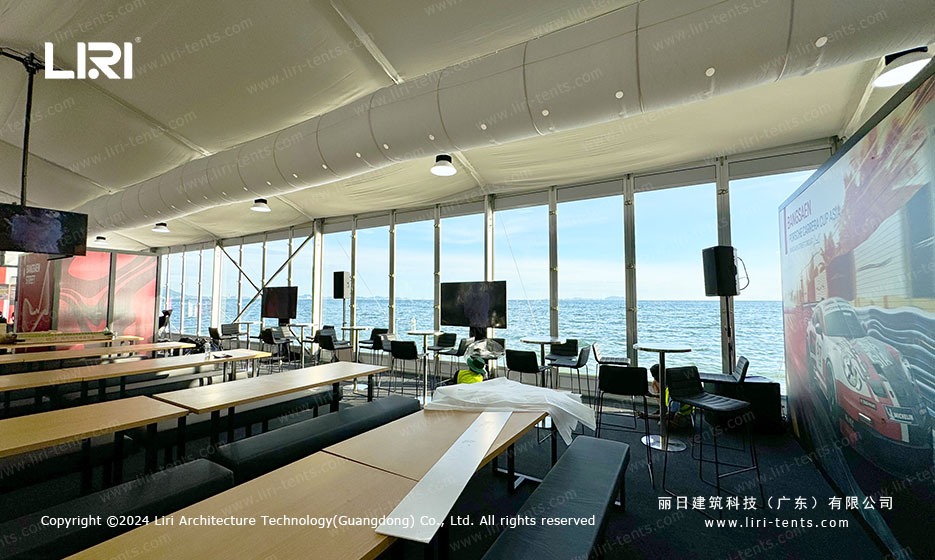
A restaurant tent moves the dining room out of the city and into the landscape. Instead of a fixed building with four walls, operators set a clear span structure in a field, a grove, or along a shoreline, and serve real meals under fabric roofs. This shift toward outdoor tourism has turned quiet rural spots into destinations, giving guests fresh air and a view with their dinner. A outdoor tent makes that possible without a permanent build.
Weather, Wind, and Anchoring
Outdoor use means the restaurant tent has to stand up to real conditions. The PVC roof sheds rain, and a sealed gable stops driven water at the ends, so the interior stays dry through a storm. Anchoring depends on the surface: stakes hold in grass and soil, while weight plates keep the frame down on concrete and asphalt without drilling. Suppliers rate each profile to a wind speed and a snow load, and proper anchoring extends that rating further. Choosing the right footprint and method with a outdoor event tent keeps the structure safe from the first gust to the last.
Frame, Fabric, and Build Quality
A well-made restaurant tent starts with the frame. Extruded aluminum profiles bolt together in standard bays, so the structure stays straight and stable under load without interior poles getting in the way. The roof and walls use PVC-coated fabric that is waterproof, flame retardant, and rated for repeated outdoor use, then packed away for the next job. Because every joint is a bolt rather than a weld, a crew can adjust the layout on site and repair a damaged bay without special tools. Pairing the frame with a outdoor tent keeps the whole build consistent from the ground up.
Why Outdoor Dining Attracts Guests
Urban visitors want a break from the heat and noise of the city, and a meal in nature delivers it. A outdoor event tent lets a farmhouse or a lakeside site host seated service that would otherwise be impossible. The structure can be styled to match the setting, from rustic wood interiors to clean modern linings, so the tent feels like part of the place rather than a temporary add-on.
Beyond the Basic Food Stall
The old picture of outdoor eating was a roadside stall. A proper restaurant tent is different: solid flooring, full walls, lighting, and a service kitchen attached. A outdoor cathedral tent with a high peaked roof reads as an event space, not a kiosk, which lets operators charge for a full dining experience.
Pairing With Other Structures
Many rural sites combine a dining marquee with a yacht storage marquee repurposed as a prep or equipment shelter, or a smaller unit for a bar and lounge. The modular approach means the whole venue grows with demand across a season. Operators of outdoor party tent setups use the same logic for private events on the same ground.
Planning a Restaurant Tent
Start with the kitchen and the covers. A structure that seats 80 needs a service run, a chiller, and weatherproof walls so service continues in rain. Power comes from a site supply or generator, and water and waste need a plan. A aircraft hangar marquee supplier can advise on wide spans if you want one open dining hall rather than linked smaller units.
Frequently Asked Questions
Can a restaurant tent stay open through the year?
In mild regions yes, with lined walls, solid flooring, and heating. In harder climates, operators run the structure for the warm season and store the frame off-season to extend its life.
How do I keep the interior comfortable?
Seal the gables, add sidewall linings, and size heating or cooling to the guest count. A fashion event tents team can spec the climate package during the survey.
What ground works for a dining marquee?
Grass, gravel, asphalt, or concrete all suit the right anchoring. The supplier checks the surface and chooses stakes or weight plates so the floor stays level for service.
 How a Clear Span Sports Court Marquee Created a Year-Round Basketball Arena
 Wedding Marquee Tent – Outdoor Bangkok Reception Venue
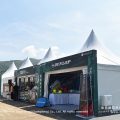 Pagoda & A-Frame Marquee Layout for Davis Cup-Style Tennis Tournament at Hengqin
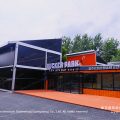 Badminton Court Marquee | Year-Round Sports Hall Solution
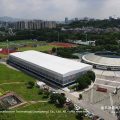 20m x 118m TFS Curve Structure Tennis Court Marquee for 8-Court Sports Park
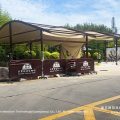 10m x 15m Arc Roof Marquee at Wildlife Park