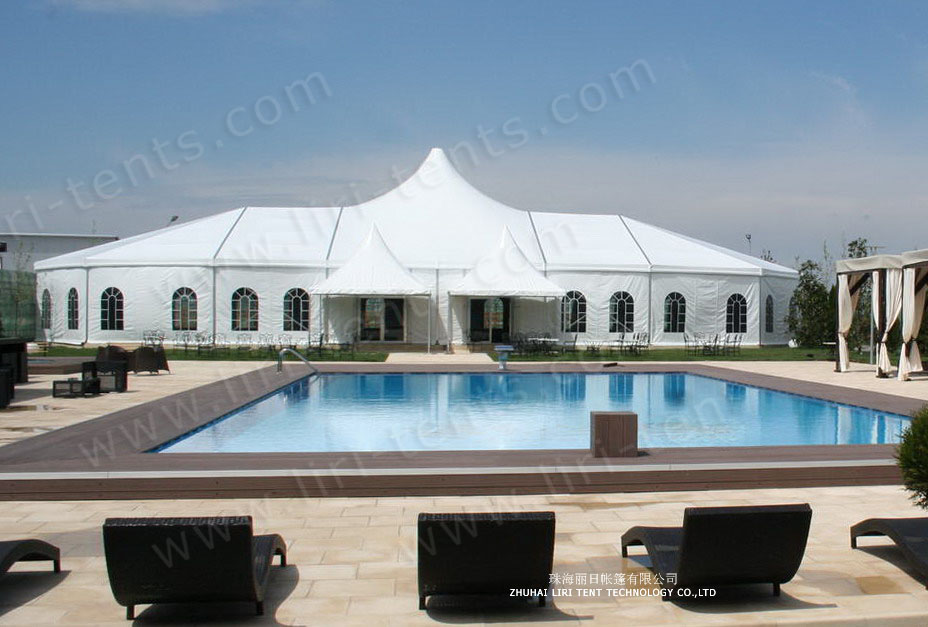
Food festivals draw crowds measured in the thousands, and every one of those visitors expects a clean, shaded place to eat, queue, and shelter from the weather. The right tent layout keeps vendor lines moving and dining areas comfortable. For organizers planning their first large event, a pagoda tent for food festival stalls provides the classic high-peak look that reads instantly as a food destination.
Choosing the Right Tent for a Food Festival Site
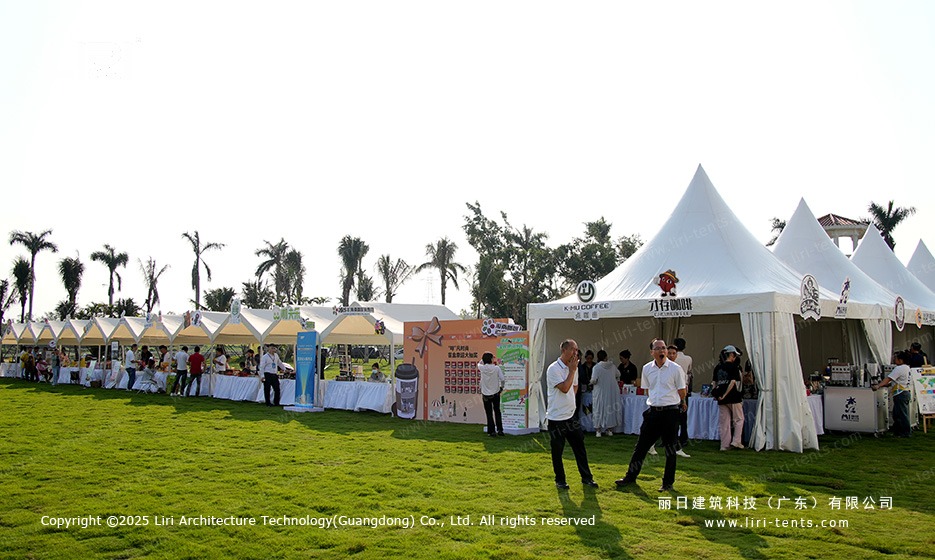
Site layout drives the tent choice. Vendor rows pair naturally with pagoda or A-frame units that create a continuous covered market street, while the central dining hall benefits from a clear-span structure without internal columns. Matching the tent type to each zone keeps foot traffic flowing and avoids bottlenecks at food stalls.
Capacity planning is just as important as the aesthetic. A large event tent for food festivals with a clear interior lets you lay out shared dining tables, drink stations, and a stage for live music without posts blocking sight lines. Wide-span units also handle the higher ceilings needed for ventilation and lighting rigs.
Specifications for High-Traffic Festival Environments
Fire safety is the non-negotiable requirement in any food venue. Specify covers that are flame retardant to DIN4102 B1 / M2, and keep enough fire exits open around the perimeter of every structure. The frame should be 6061/T6 aluminum with anodized protection, and the fabric double-coated PVC for waterproofing and easy cleaning after greasy events.
Wind and rain behavior matters in exposed festival sites. A large marquee for beer festivals is engineered with the same frame geometry used for permanent event halls, giving organizers confidence when the forecast is poor. Anchor systems, ballast, and side walls should all be specified at the design stage rather than improvised on site.
Layout Planning for Vendors, Dining, and Crowd Flow
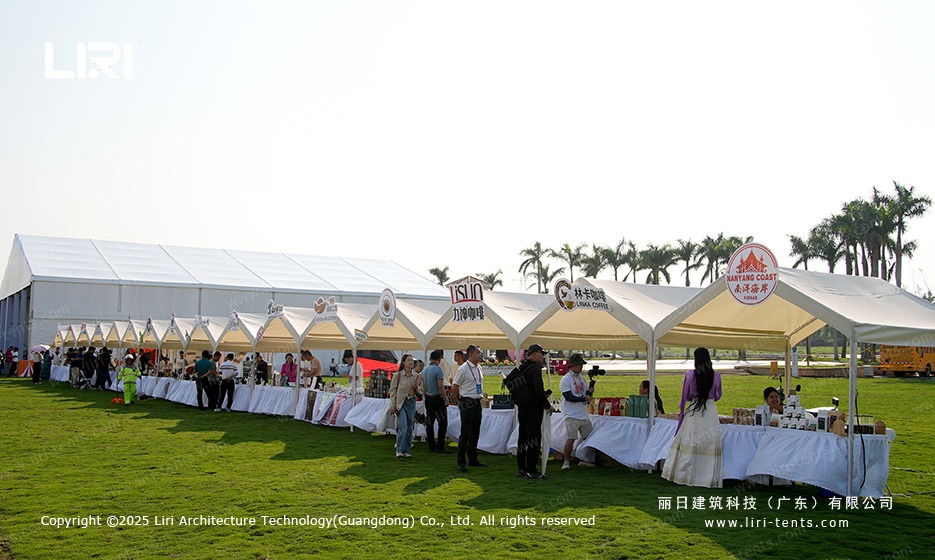
Divide the site into three zones: vendor booths, shared dining, and entertainment. Position vendor units around the perimeter so queues stay out of the main walkway, then place dining tables in the center clear-span hall. This separation keeps hungry visitors moving instead of blocking the booths they want to buy from.
For festivals expecting more than 10,000 visitors a day, the outdoor festival party marquee footprint absorbs the peak lunch rush without feeling overcrowded. Add multiple entrances and exits, wide aisles between rows, and a service lane behind the booths so vendors can restock without crossing the visitor flow.
FAQ
How many vendors fit under a food festival tent?
A 3×3 meter booth space is the standard, so a 30 by 60 meter clear-span tent fits around 100 vendor stalls with aisles, or up to 150 with tighter spacing. The layout depends on whether each vendor brings their own cooking equipment and how much circulation space the site requires for safety.
What fire safety standards apply to festival tents?
The cover fabric should meet flame retardant standards such as DIN4102 B1 or M2, and the site plan must include clear fire exits from every enclosed structure. Local regulations may add requirements for distance between structures, extinguisher placement, and emergency access routes, so check with the venue authority early in planning.
Can festival tents be reused for different events?
Yes. The modular frame dismantles and re-erects quickly, and covers can be replaced or swapped between seasons. The same units that host a summer food festival can serve a winter market or a beer festival tent for large crowds with different branding and layout.
How long does a food festival tent take to install?
A complete vendor row of pagoda tents installs in a single day with a small crew, while a large clear-span dining hall takes two to three days including flooring and lighting. Allow extra time for anchoring, electrical setup, and a final safety inspection before opening day.
→ Browse Festival Marquee Tents
 Hainan Coffee Festival Marquee Tent | Clear-Span Main Hall Plus Pagoda Vendor Booths for a Tropical Trade Month
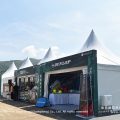 Pagoda & A-Frame Marquee Layout for Davis Cup-Style Tennis Tournament at Hengqin
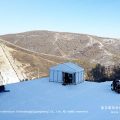 Cold-Weather Event Marquees for Outdoor Winter
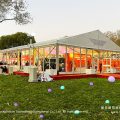 15x30m Aluminum Event Marquee for Outdoor Meeting
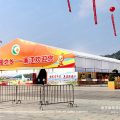 All Weather Event Marquee for Temporary Exhibition Hall
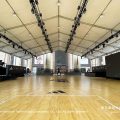 25m Clear Span Exhibition Marquee: Shanghai Urban Plaza Sports Arena