Choosing the Right Marquee for Your Event
Hiring a marquee tent for a special occasion has become standard practice for event planners worldwide. Whether you are organizing a wedding reception, corporate gala, or private celebration, the temporary structure you select sets the tone for the entire gathering. This guide walks through the key decisions — from tent style and sizing to power, insurance, and what questions to ask your provider before signing a contract.
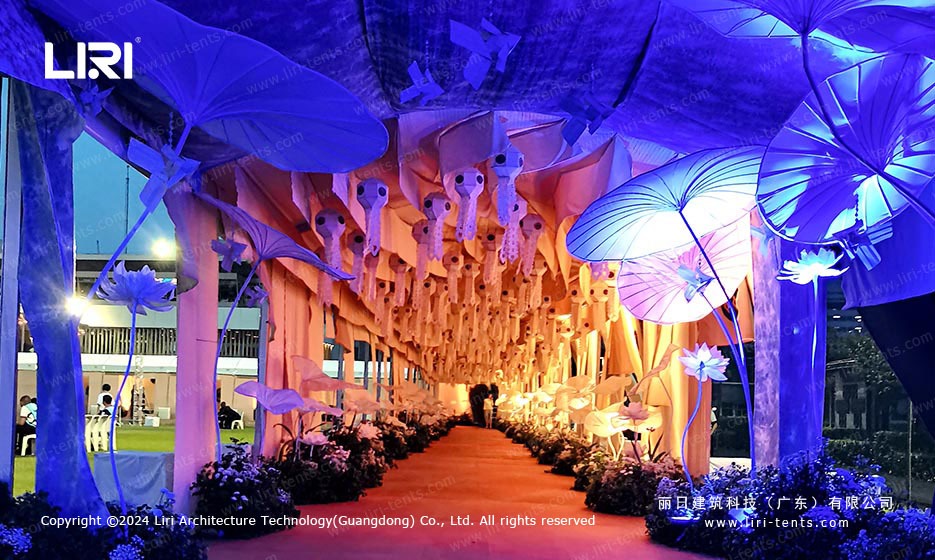
Frame Marquees vs. Traditional Pole Tents
The terminology varies by region — what the UK and Australia call a marquee, North America often refers to as a party tent or wedding tent — but the functional choices boil down to two main categories. A frame marquee uses an aluminum skeleton that stands independently without interior poles, making it the preferred option when every square meter of floor space counts. Traditional pole tents rely on center poles and perimeter tensioning, which creates a graceful peaked silhouette but requires additional clearance for guy ropes.
For most private events, the frame marquee wins on practicality. It fits into tighter sites, allows unobstructed table layouts, and can be installed on surfaces ranging from grass to asphalt to rooftop terraces. The aluminum frame also supports hanging fixtures — chandeliers, drapery, audio rigs — that pole tents cannot easily accommodate. Meanwhile, marquee rentals with modern tension fabric designs offer a more architectural aesthetic and suit high-end corporate events where visual impact matters.
Climate Control and Seasonal Planning
Modern flooring systems and industrial heating equipment have made the time of year largely irrelevant for event marquee installations. Most hire companies include heaters with their package or offer them at a nominal additional cost, but it pays to confirm climate control details upfront — especially for events scheduled during colder periods. For summer gatherings, ventilation panels, air conditioning units, and UV-blocking roof fabrics prevent the interior from becoming uncomfortable during peak afternoon hours.
Flooring deserves equal attention. Interlocking subfloor systems with carpet or hardwood veneer finishes provide a level surface regardless of the ground beneath, and they hide cables for lighting and sound equipment. When planning a custom made marquee tent installation on sloped terrain, ask whether the provider can build a stepped or tiered floor system to maintain level dining and dancing areas.
Determining the Right Marquee Size
An experienced marquee supplier can recommend the right dimensions from a brief conversation, but arriving prepared makes the process smoother. Consider these variables: total guest count, seating format (formal round tables of 8-10 versus cocktail-style standing with occasional tables), whether you need a separate catering preparation area, if a stage or DJ booth requires dedicated floor space, and whether a reception entrance zone should feel distinct from the main hall.
As a rough guide, allow roughly 1.2 to 1.5 square meters per seated guest for a standard dining layout with dance floor — more if you plan elaborate decoration or need wide aisles. A wedding marquee for receptions hosting 150 seated guests typically requires a clear-span structure around 15m x 20m, while a standing cocktail event for the same crowd might work comfortably in a 12m x 18m space.
Essential Questions for Your Marquee Provider
Start the conversation by confirming availability on your date and coverage in your area — a reputable firm will tell you immediately if they are booked. Then discuss sizing and request a recommended layout plan with the quote. A visual floor plan helps catch space issues early and lets you refine the arrangement before installation day. If the proposed layout does not match your vision, speak up. Every event has unique requirements, and experienced providers expect to iterate.
Ask for a complete breakdown of costs. The quote should clearly state whether tax, delivery, setup labor, and travel expenses are included. Most professional tent suppliers require a deposit — typically 30% to 50% — with the balance due before or on delivery day. Be cautious of any provider who avoids putting these details in writing.
Power Supply, Insurance, and Logistics
Electricity is easy to overlook until it fails. Bands, catering equipment, and lighting draw significant current, and a tripped breaker mid-event is a situation no host wants to face. Confirm whether your marquee company provides power distribution and whether a qualified electrician handles the connection. For larger gatherings — especially those with live entertainment — renting a backup generator adds a layer of security worth the cost.
Insurance is non-negotiable. Your provider must carry public liability coverage, particularly if they supply electrical equipment. Ask to see the certificate and verify the coverage amount is appropriate for your event scale. A professional heavy duty marquee tents for sale operator will have this documentation ready without hesitation. If the marquee sits on public land or a venue with its own insurance requirements, coordinate early to ensure all policies align.
Frequently Asked Questions About Marquee Hire
What is the difference between a marquee and a party tent?
The terms describe the same structure — a large, temporary fabric-covered space for events. “Marquee” is standard in the UK and Australia, while “party tent” or “wedding tent” is more common in North America. The underlying engineering is identical across these labels.
Can a marquee handle heavy rain or strong wind?
A properly anchored aluminum frame marquee rated for the local wind zone will perform reliably in typical storm conditions. The key factors are ground anchoring method (stakes, concrete ballasts, or bolt-down plates), fabric tension, and regular inspection of structural connections throughout the event.
How far in advance should I book a marquee?
For peak-season dates, booking three to six months ahead is advisable. Off-peak periods may allow shorter lead times of four to eight weeks. The earlier you reserve, the more flexibility you have with tent style, size, and interior configuration options.
Do marquee rental companies handle permits?
Some do, but this varies by provider and jurisdiction. Always clarify during initial discussions. If your event requires local council approval for a temporary structure, start that process early — permitting timelines can extend several weeks depending on the location.
Is it more cost-effective to buy a marquee rather than rent?
For a single event, renting is almost always the more economical choice. Purchasing a marquee tents for sale makes financial sense if you host multiple events per year or operate an event rental business. The break-even point typically falls around three to five uses annually, depending on tent size and configuration.
Planning a marquee event involves many moving parts, but working through these questions systematically with a qualified professional marquee supplier transforms what can feel overwhelming into a straightforward, well-organized process. For more detailed guidance on selecting the right temporary structure, review our guide on how to choose an event tent.
 How a Clear Span Sports Court Marquee Created a Year-Round Basketball Arena
 25m Clear Span Exhibition Marquee: Shanghai Urban Plaza Sports Arena
 10x25m Tension Membrane Marquee Tent: Three-Peak Safari Lodge Structure
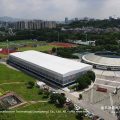 20m x 118m TFS Curve Structure Tennis Court Marquee for 8-Court Sports Park
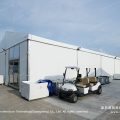 Sanya Formula E Marquee Tent: Multi-Zone Layout for Electric Racing Event
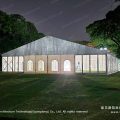 Wedding Marquee Tent – Outdoor Bangkok Reception Venue