
Sidewalls are the panels that close in the sides of a marquee. They shape the room as much as the roof does. They decide how much daylight comes in, how warm the space stays, and what guests see from outside.
This guide explains the three common options in plain words: soft PVC fabric, glass, and solid panels. You will learn where each one works, what buyers often overlook, and which questions to ask before you order. You can describe what you want without any product codes.
What sidewalls actually do
A marquee is an aluminium frame with a roof and panels that fix around the sides. Those panels are the sidewalls. On a clear span marquee, which simply means there are no posts inside the main space, the walls sit around the outside edge. That leaves the whole floor free for tables, a court or a display.
They do four everyday jobs. They keep wind and rain out. They control daylight, so a white fabric wall gives soft light while a glass wall lets the garden in.
They give privacy, which matters for a staff area or a storage bay. They also set the first impression, because the walls are what people see from the path outside.
Think about a summer open day at a hotel. With clear walls, guests can see the lawn and the room feels part of the grounds. With plain white walls, the same room feels quiet and private, but it needs more lamps during the day. The right choice depends on the view you want and how the room will be used.
The three common choices
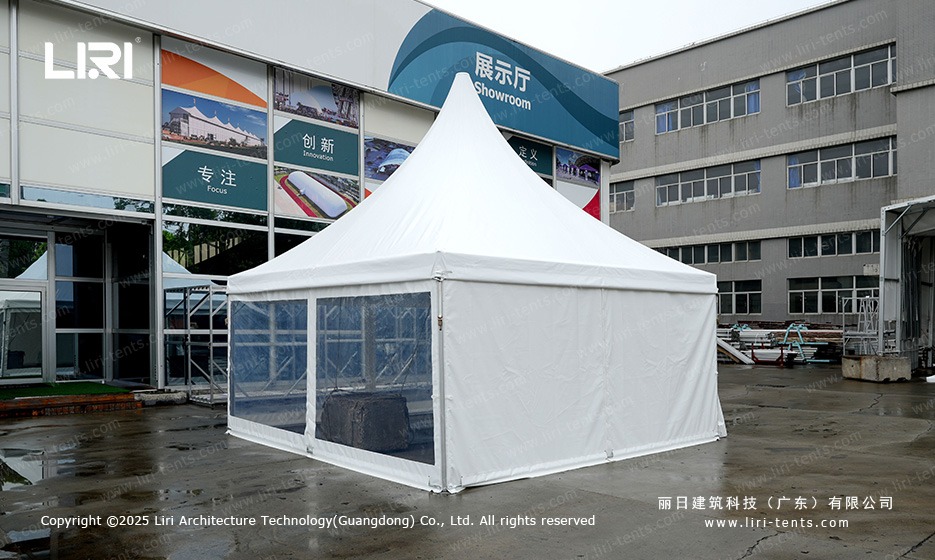
Soft PVC walls. PVC is a strong plastic-coated fabric. It rolls up, zips together at the corners, and often comes with clear windows or a roll-up door. It is the lightest option and the easiest to pack, which is why hire companies use it again and again.
A fabric panel is also the simplest to replace if one gets torn. The trade-off is that fabric holds less warmth than a rigid panel, and it shows dirt, so it needs cleaning between events.
Glass walls. Here the panels are real glass held in an aluminium frame, much like the windows of a building. They let in daylight, keep the wind out, and give a smart finish that suits a hotel terrace or a vehicle display.
They are heavier, though, and they travel on a special rack. If a pane breaks, that whole unit has to be replaced. If this is the direction you want, our glass wall panels for marquees page shows how the frames fit together.
Solid wall panels. These are rigid boards, often called ABS or sandwich panels, that clip into the frame like a temporary building wall. A sandwich panel is simply two thin skins with an insulating core between them.
Solid walls give the best privacy and keep warmth in, so they are common on industrial stores and sports halls that stay up for months. They let no light through, so plan the room lighting from the start.
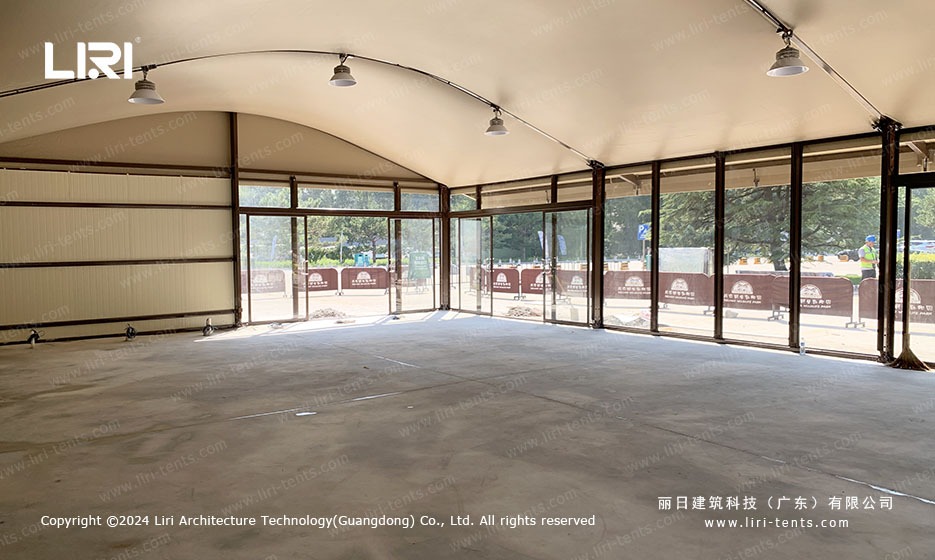
You can mix all three on one structure. A typical arrangement puts glass along the front, solid panels behind a service counter, and fabric on the remaining sides. Doors, windows and vents are chosen at the same time, because they have to fit the same frame. The marquee range shows the frame types these panels are made for.
The details buyers often miss
Wall choice changes the temperature inside. A long glass wall facing the afternoon sun can make a room warm even on a mild day, while a solid wall holds warmth in on a cold evening. Ask how the room will be heated or cooled before the panels are fixed, not after.
Air needs a way in and out. A fully closed marquee full of people gets stuffy, and on a cool night moisture can collect on the inside of a cold panel. A window that opens, a vent above a door, or a partly raised fabric wall usually solves this. Ask the supplier where the fresh air will come from.
Doors belong in the plan too. Panels are made in set widths called bays, so a door has to sit in one of those positions. Mark where guests arrive, where staff bring things in, and where deliveries go. Your venue will also have rules about exits, so ask for them on a simple drawing.
Think about the floor and the walls together. A raised floor changes the height of the door sill, and the bottom of each panel has to meet it neatly. Our marquee flooring system page explains the common floor options.
Matching walls to how you use the space
Exhibitions usually want a clean background for displays and enough light to read by. A mix of white fabric and glass works well, with a solid panel behind the catering point. Sports halls need walls that survive balls and equipment, so a solid lower section with lighter panels above is a common choice.

Industrial and warehouse use is different again. Privacy and a tidy closed exterior matter more than a view, so solid panels and a wide roller door are typical. Hotels and venues often choose glass on the side that faces the garden, then add curtains for evening events.
Hire companies have one more concern: how fast a wall goes up and how small it packs away. Fabric wins there, even when a client asks for glass along the front. If you are still weighing up sizes and siting, the small outdoor marquee buying guide is a useful next read.
What to ask before you order
Five plain questions will tell you most of what you need. Are the panels supplied in set bay widths, and can one damaged panel be replaced? Can I mix wall types, and where can doors, windows and vents go?
How much room will the panels take on a truck or in storage, and does glass need its own rack? How are fabric walls cleaned, and are spare panels available? Who fits the walls on site and checks that every door opens freely?
Ask to see photographs of the actual panels and doors, rather than just a drawing of the finished tent. Different wall types look similar in a small picture and quite different at full size. Ask for the frame and panel details in writing too, so you can compare one quotation with another.
Start with what the room has to do, then choose the walls that support it. Glass is the choice for daylight, fabric suits a busy hire fleet, and solid panels help when privacy and warmth matter most. Most real projects use a mix.
Tell a supplier your event, the season, and how often the marquee will be put up, and ask for a drawing showing each wall and door. That one conversation clears up most surprises on the day the frame goes up.
 Wedding Marquee Tent – Outdoor Bangkok Reception Venue
 Marquee Membrane Cover Replacement: When to Re-Cover and How to Order the Right PVC
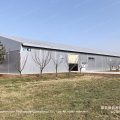 Aircraft Hangar Marquee Tent | Clear-Span Industrial Storage
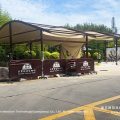 10m x 15m Arc Roof Marquee at Wildlife Park
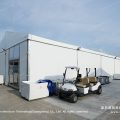 Sanya Formula E Marquee Tent: Multi-Zone Layout for Electric Racing Event
 Marquee Tent 200 Capacity: Clear-Span Floor Area and Bay Sizing