Buying event tents from a China supplier is common because the manufacturing base there produces the bulk of the world’s aluminum frame marquees. The market splits into two streams: brand-new equipment ordered directly from factories, and surplus ex-hire stock that event companies resell when they renew their fleets. Both routes work, but they need different buying habits, so the first step is deciding which one fits your business model.
New Factory Orders vs. Ex-Hire Stock
New tents from a economical marquee tent factory give you full control over size, fabric color, and roof profile, and the warranty runs from the day of shipment. Lead time is the trade-off: custom production usually takes three to six weeks plus sea freight, so you must order before the busy season. Ex-hire stock, on the other hand, ships fast and costs less, but you inherit the previous owner’s wear pattern and you should inspect the seams, zippers, and frame anodizing before paying.
Commercial buyers often mix both sources. They order new modular aluminum marquee tents for flagship jobs and buy used units to build rental capacity cheaply. The deciding factor is utilization: a tent that will sit idle for months is better bought used, while a unit that runs every weekend justifies a new purchase with a full warranty.
What to Verify Before You Send a Deposit
Check the spec sheet against your actual event sizes rather than the marketing name. Confirm the bay distance and eave height, because these decide whether a vehicle can drive in and how high a stage or screen can stand. Ask for the fabric’s fire certificate and the frame’s alloy grade; 6061-T6 aluminum with hot-dip galvanized connectors is the standard for commercial rental fleets.
Shipping terms matter as much as the unit price. Clarify whether the quote is FOB or CIF, which port it covers, and how the load is split into 40-foot containers. A quote that looks cheap on the unit price can lose its advantage if crating, insurance, and inland transport are added later. Suppliers who handle a high volume of tent supply for rental businesses usually give clearer shipping breakdowns because their export desk does this daily.
Building a Re-Sale and Rental Plan
Surplus stock does not have to sit in a warehouse. Event companies regularly refresh their fleets and sell older units to smaller operators, which keeps the secondhand market active. If you buy a batch, check which sizes and colors resell quickly; white and clear-roof tents hold value better than custom colors because they suit weddings and corporate jobs alike.
For rental operators, stocking a few high peak pagoda tent units alongside standard frames widens the booking range without adding much storage cost. Pagoda roofs photograph well and rent at a premium for garden events. Pair that with a large trade exhibition marquee for corporate work, and one inventory covers two price segments.
Plan the arrival inspection before the container lands. Check each carton against the packing list, photograph any damage within 24 hours, and test-erect one unit of every size before the crew leaves the warehouse. This catches missing parts and transit damage while the claim window is still open, and it avoids the worst outcome of a China order: discovering a short shipment weeks after the invoice is settled.
FAQ
How do I source marquees in China without visiting the factory?
Ask for a video walkthrough of the production line and a live sample check before payment. A reputable supplier will share QC photos of your actual batch during production, not just catalog images. Split the payment into a deposit and a balance payable against the bill of lading, and keep the contract wording on fabric grade and frame alloy clear.
Are commercial marquees from China suitable for rental businesses?
Yes, provided the units are built to rental duty cycles. Look for heavy-duty zippers, reinforced corner castings, and fabric rated above 650 gsm. Commercial-grade stock takes repeated assembly and disassembly far better than garden-party units, which is why rental companies specify them for weekly use.
What is the realistic shipping time for a container of marquees?
Sea freight from a southern China port to Europe or North America typically runs four to eight weeks depending on the destination and sailing schedule. Air freight is faster but multiplies the cost, so it only makes sense for urgent small orders. Factor in a week of customs clearance at the arrival port when planning the season.
How do I compare quotes from different Chinese suppliers?
Convert every quote to the same basis: ex-works price, packaging cost, and freight to your port. Then compare fabric weight, frame alloy, and the number of side walls included. A quote that omits accessories usually wins on paper but loses once you add the missing items.
→ Request a Sourcing Quote for China Marquees
 How a Clear Span Sports Court Marquee Created a Year-Round Basketball Arena
 Pagoda & A-Frame Marquee Layout for Davis Cup-Style Tennis Tournament at Hengqin
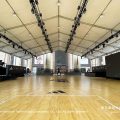 25m Clear Span Exhibition Marquee: Shanghai Urban Plaza Sports Arena
 Heavy-Duty Aluminum Structure for Temporary Supermarket Buildings
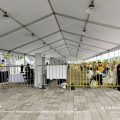 Recent Formula E Shanghai E-Prix Marquee Tent: Multi-Zone Race Village Setup
 Wedding Marquee Tent – Outdoor Bangkok Reception Venue