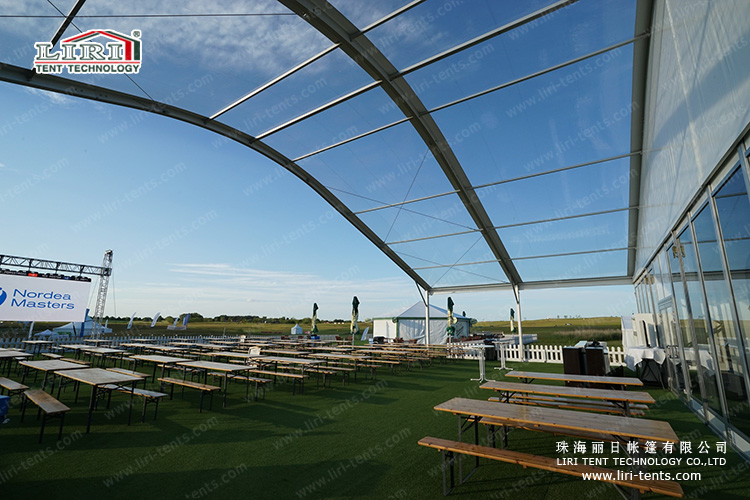
Renting a large tent starts with one number: the guest count, not the site size. Once the headcount is fixed, every other decision, from the tent dimensions to the venue and the decor package, follows from it. Getting this number right first prevents the two most common rental mistakes, an oversized bill for unused space or a tent that is packed too tightly for comfort.
Beyond the headcount, consider how the space will be used. A seated formal dinner needs roughly 1.2 to 1.5 square meters per guest, while a cocktail party needs about half that. A dance floor, stage, bar or buffet line each adds its own footprint, so list every feature before calculating the floor area rather than estimating from the guest list alone.
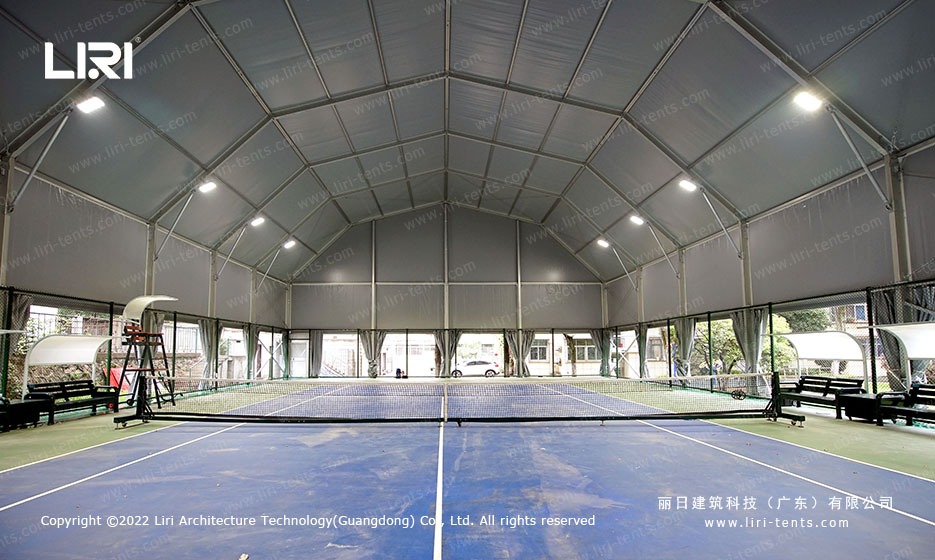
Step-by-Step Tent Rental Planning
Start by determining the event size and seating arrangement, because a seated dinner packs guests far more loosely than a standing reception. Add allowances for the dance floor and stage, then work with the rental supplier to confirm the right size and style. Most suppliers publish a per-size capacity chart, which is a useful cross-check for your own math.
Next, choose the venue. Tents can be placed on any relatively flat ground, so the site options stay broad, but verify access for the delivery truck and enough clearance for the frame to be laid out and lifted. For a Event Tent Rental on a lawn, check that the ground is dry enough for stakes and that irrigation lines will not be punctured.
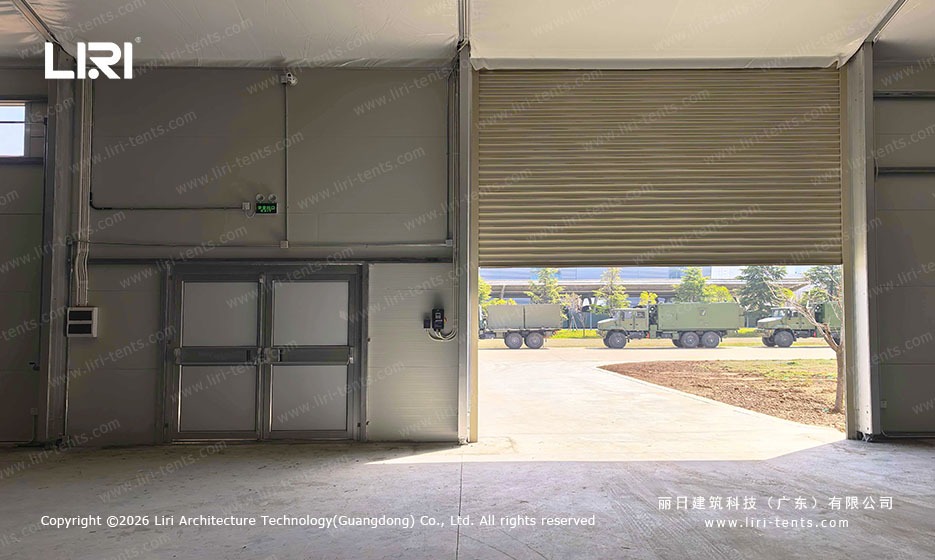
Decor, Walls and Comfort Essentials
Large tents arrive as no-frills structures, so the interior finish is where the event takes shape. Walls and liners define the look and block wind, flooring keeps guests off the ground, and a few lighting options, from string lights to uplighters, set the mood after dark. The supplier can usually list these as an add-on package to simplify budgeting.
Climate control is the detail guests notice most. Heaters extend the season into cooler months, and air-conditioning keeps a summer afternoon bearable under the sun. Ask whether the rental unit supports these add-ons before confirming, because not every frame has the mounting points for heating units. Planning these details early is part of the Planning Party process that separates a smooth event from a rushed one.
Rental Contract and Budget Checklist
Read the rental agreement for four items: the delivery window, the installation time, the removal schedule and the damage policy. Confirm who handles the setup crew and whether the price includes the crew’s time, because some quotes cover the tent only. Also clarify the cancellation terms, since peak-season dates may carry a deposit that is partly non-refundable.
On the budget side, compare quotes on the total package, not the tent alone. Delivery, installation, walls, flooring, lighting and climate control can add 30 to 50 percent to the base price, and a Wedding Tent Rental package often bundles these into one number. Ask each supplier for the same itemized breakdown so the comparison is fair.
Frequently Asked Questions
How much space does each guest need in a tent?
Allow 1.2 to 1.5 square meters per guest for a seated dinner, and roughly half that for a standing cocktail event. Add separate allowances for the stage, dance floor, bar and buffet, then confirm the total against the supplier’s capacity chart before booking.
What should I check at the venue before the tent arrives?
Verify that the delivery truck can reach the site, the ground is level enough for the frame, and there is room to lay the tent out during assembly. Mark underground irrigation or cable lines so the stakes do not hit them, and confirm the surface type so the correct anchoring kit is supplied.
Are walls and flooring included in the rental price?
Usually not, walls, flooring, lighting and climate control are separate add-ons. Ask for an itemized quote so the final cost is clear, and remember that a Party Tent Rental with full decor can cost noticeably more than the bare structure.
How early should I book a tent for peak season?
Book four to eight weeks ahead for summer weekends and holiday dates, because rental fleets fill up fast. For off-peak events, one to two weeks is usually enough, but locking in the venue and headcount early keeps the whole plan flexible.
 Wedding Marquee Tent – Outdoor Bangkok Reception Venue
 Recent Formula E Shanghai E-Prix Marquee Tent: Multi-Zone Race Village Setup
 30x40m Foundation Ceremony Marquee Tent for Industrial Park Groundbreaking Event
 Sanya Formula E Marquee Tent: Multi-Zone Layout for Electric Racing Event
 25m Clear Span Exhibition Marquee: Shanghai Urban Plaza Sports Arena
 15x30m Aluminum Event Marquee for Outdoor Meeting