Every event venue begins with one decision: which tent style will carry the space, the weather and the crowd. The answer depends on your floor plan, your site conditions and how long the structure must stay up. If you are still weighing options, start with choosing the right event marquee for a structured checklist.
Frame Marquees vs. Pole Tents: What Changes Inside the Space
The clearest difference between frame and pole designs is what happens at floor level. A frame marquee uses an aluminum truss system with no center poles, which leaves the full footprint open for tables, staging and dance floors. A pole or traditional marquee relies on tensioned fabric held by ropes and ground pegs, so the usable area shrinks around the edges.
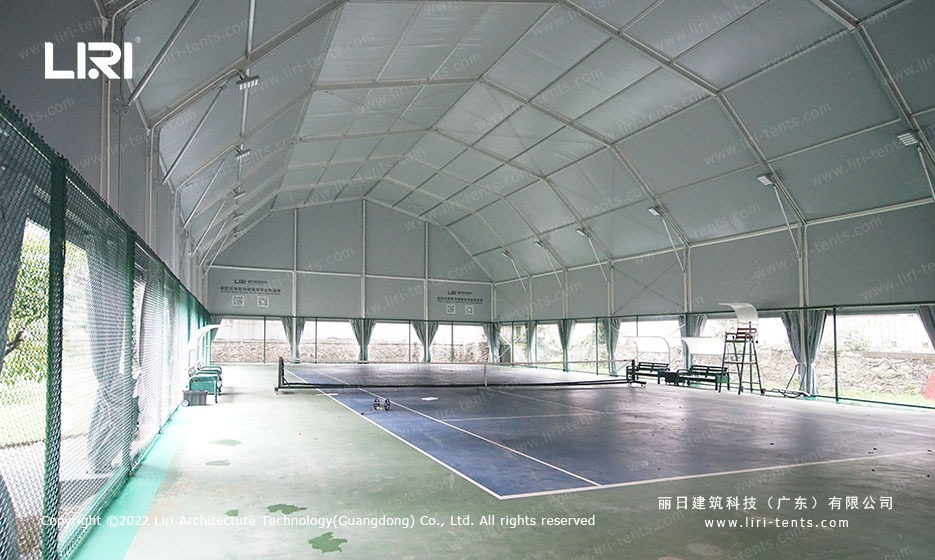
For a banquet of 300 seated guests, the difference in usable square meters can be substantial. Frame structures also stand on hard surfaces like asphalt and concrete, because they do not depend on soil for anchoring. A 25 meter clear span marquee shows how wide a column-free layout can go.
Wall systems matter as much as the roof line. Fabric sidewalls with zippered entrances are the default for most events, while glass wall panels and solid doors change both the look and the insulation value of the hall. If the venue needs natural light during the day, transparent roof panels or a clear span section can reduce the amount of artificial lighting required.
Dome, Pagoda and Arch Styles: Matching Shape to Use
Dome tents distribute snow and wind loads across curved surfaces, which makes them a strong candidate for winter sites and open fields. The curved profile also cuts down on material stress at the joints, extending the life of the fabric and the frame.
Pagoda marquees bring a high center peak and clean sight lines, a shape that suits ceremony spaces and press events where the roofline is part of the staging. A pagoda and A-frame layout is often chosen for multi-zone events because the two shapes can be joined without losing headroom.
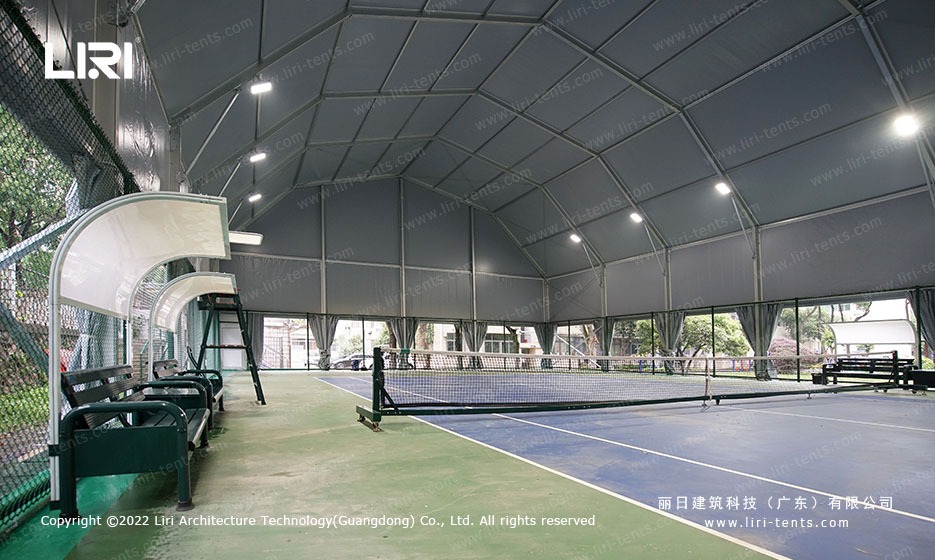
Arch roof marquees offer a middle ground: a long, low profile with good wind performance and fast rigging. For a large geodesic dome marquee or a simple arch hall, the deciding factor is usually how many people the site must hold per square meter.
Spec Comparison: Wind Load, Clear Width and Setup Time
Read the specification sheet before you compare prices, because the numbers decide whether the tent survives its first season. Look for the wind load rating of the structure, the clear span width between supports, and the crew hours quoted for assembly and dismantling.
A modular frame system with standardized bays can be extended later, while a fixed-size dome cannot grow once it is fabricated. If you expect to reuse the tent across different sites, a arc roof marquee or frame hall gives you more flexibility in layout than a single-purpose shape. Check whether the clear roof dome marquee option adds natural light without raising the cost of the cladding.
Budgeting for the structure is only half the calculation. Delivery distance, site access and storage between events all add to the total cost of ownership, and a frame marquee that dismantles into standard containers keeps logistics simple. Many suppliers quote transport separately, so compare the delivered price rather than the ex-factory figure when shortlisting.
Ask the manufacturer for load test records before you commit. A tent that passes a certified wind load test gives you the documentation your event insurer expects, and the same paperwork speeds up approvals for public venues. Structures that lack this data are cheaper upfront, but the risk lands on the event organizer when the weather turns.
Frequently Asked Questions
What should you check when choosing a tent style?
Start with the clear span width you need, the wind load rating for your region, and the setup time allowed by your venue. Confirm that the structure can stand on the surface you have, whether that is grass, gravel or concrete.
Which shape holds up better in strong wind?
Dome and arch profiles shed wind more evenly than tall, flat-sided designs, because the curvature reduces pressure on the fabric panels. Frame marquees with certified wind load ratings and proper ballast or anchoring perform reliably on exposed sites.
Can a frame marquee be extended after it is delivered?
Yes, when the tent is built on modular bays, extra sections can be added at either end without replacing the existing roof panels. Ask the supplier whether the bay size matches your future expansion plans before ordering.
How long does a typical event tent take to install?
A 20-meter frame hall with a trained crew can usually be erected within one working day, while large dome structures may need two to three days including anchoring. Request the manufacturer crew schedule for your specific size during the quotation stage.
→ Contact Us for a Tent Style Quote
 20m x 118m TFS Curve Structure Tennis Court Marquee for 8-Court Sports Park
 Badminton Court Marquee | Year-Round Sports Hall Solution
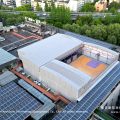 Purple Gable Twin Peak Marquee | Two Retractable Roof Bays Over a Rooftop Basketball Court
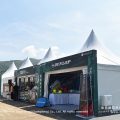 Pagoda & A-Frame Marquee Layout for Davis Cup-Style Tennis Tournament at Hengqin
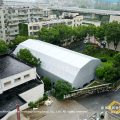 18.5m x 36m Polygon Tennis Court Marquee PG18.5×36-600 | Clear-Span Aluminum Sports Hall
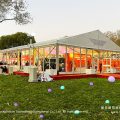 15x30m Aluminum Event Marquee for Outdoor Meeting