Most tent problems come from decisions made before the order is placed, not from the structure itself. Capacity labels, waterproofing claims and storage habits all change how a tent performs over its lifetime. Before you commit, review the key tent features to check on any shortlist.
Sizing: Never Trust the Advertised Capacity
A tent advertised for ten people rarely fits ten people comfortably once tables, chairs and aisles are in place. The same logic applies to event marquees: a guest count alone does not tell you the floor area you need.
Work out the space per person before you calculate the size. Standing receptions with buffet stations need roughly 8 square feet per guest, while seated dinners need about 15 square feet per guest including the table footprint. Add extra square meters for the stage, the dance floor and access aisles, then round up to the next standard bay size.
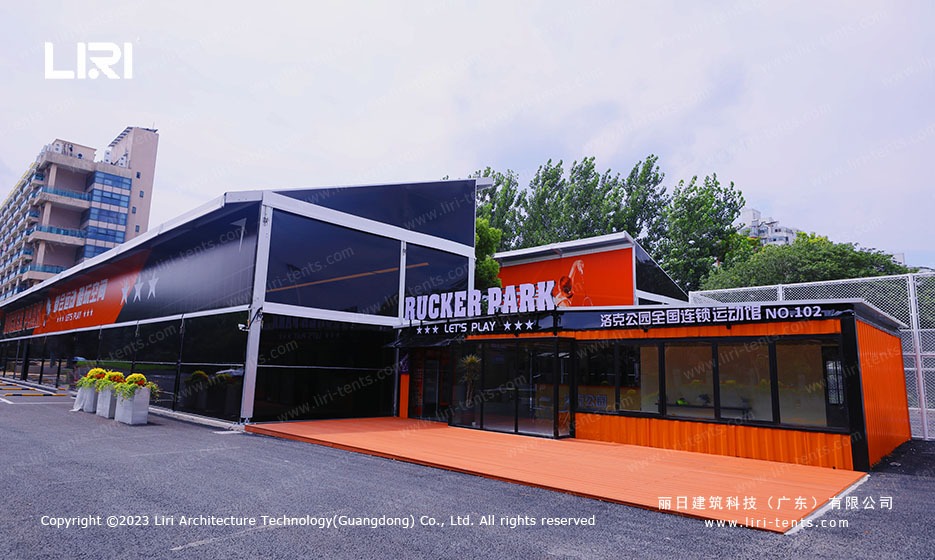
Under-sizing is the most common mistake on event sites, because it forces last-minute changes to seating plans and lighting rigs. If the budget allows, order one bay wider than the calculation suggests and use the spare space for storage or a lounge corner.
Weather Protection: Waterproofing and Wind Load
Not all tent fabrics are waterproof, and the difference matters on a rainy event day. Many camping shells use breathable ripstop nylon, which lets condensation escape but needs a separate rainfly to shed water. Commercial marquee PVC fabric is inherently waterproof, with welded seams and a fire-retardant coating.
Wind is the second factor to check. Ask for the structure wind load rating and make sure the anchoring plan matches your site: ballast blocks on concrete, screw piles or pegs on grass. A tent that is sized correctly for the guest list can still fail if the anchoring was underestimated, so review extreme weather tent preparation before a forecast storm arrives.
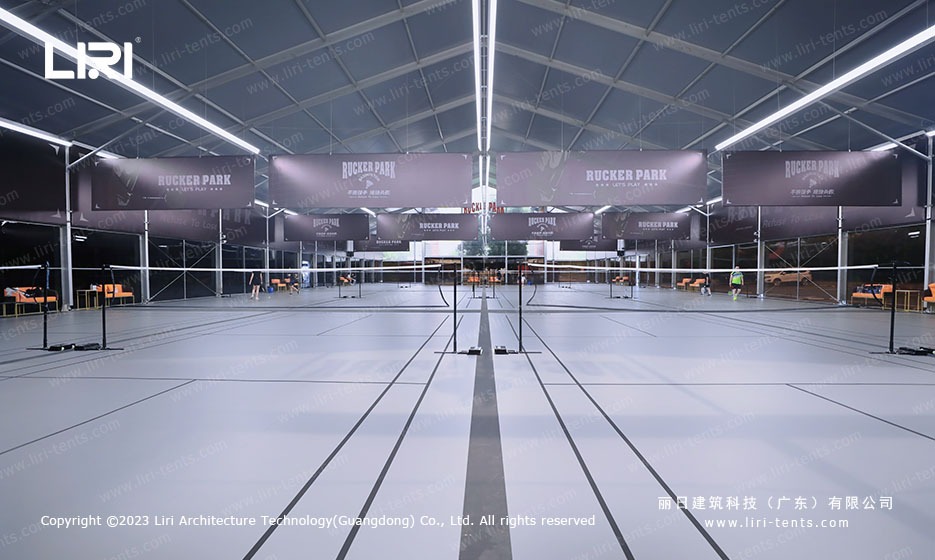
For venues that must operate through cold seasons, insulation liners and sidewall heating change the comfort level dramatically. An all weather modular sports stadium design keeps the interior usable when outside temperatures drop.
Fabric quality also controls long-term cost. PVC-coated polyester at 850 gsm or heavier resists tearing and fading better than lighter grades, and a UV-stabilized coating protects the surface during months of outdoor exposure. Ask the supplier for the fabric specification and the fire-retardant certificate before you sign the order.
Maintenance and Storage Basics
Tent fabric lasts longest when it is cleaned and stored dry. Never pack a marquee while the material is damp, because trapped moisture promotes mildew and weakens the coating over repeated cycles. Wash panels with mild detergent and let them air dry fully before folding.
Check the seams and zippers after every event, and repair small tears before they spread. A spare parts kit with spare fabric panels, connectors and rope saves you from replacing a whole structure for one damaged section. For rental operators who move equipment often, an exhibition marquee rental services workflow usually includes a fixed inspection routine between jobs.
A regular inspection schedule pays off for anyone who stores tents between events. Walk the structure after each use, check the frame connections for corrosion, and keep a simple log of any damage. That routine data helps you replace parts before they fail, rather than discovering the problem on site.
Think about the anchoring hardware before you arrive at the venue. Ballast blocks, screw piles and ground pegs each suit a different surface, and carrying the wrong set means delays on build day. Confirm the ground condition with the site manager in advance so the crew brings the correct anchoring kit for the structure.
Finally, keep the assembly instructions and the spare parts list with the tent at all times. A quick reference guide on site saves hours when the crew is working under a deadline, and the contact details of the supplier make it easy to order a replacement panel if one gets damaged.
Frequently Asked Questions
What things should you know before buying a tent?
Know the true capacity for your layout, the fabric waterproof rating, the wind load certification and the anchoring requirements of your site. These four facts determine whether the structure works for your event before any styling is added.
Are commercial marquees waterproof without a rainfly?
Yes, most event marquees use PVC-coated fabric with welded seams, so they do not need a separate rainfly. Camping tents are the exception because their breathable shells are designed to let condensation escape.
How do you store a tent after an event?
Dry the fabric completely, clean off dirt with mild detergent, repair any damage, and store it in a cool, dry place inside the storage bag. Never leave a marquee folded while it is damp, even overnight.
How much wind can an event tent handle?
It depends on the frame design and anchoring. Certified frame marquees typically carry wind load ratings between 80 and 120 km/h with correct ballasting, while pole tents have lower limits because they rely on ground tension. Always follow the supplier anchoring specification for your region.
 Outdoor Yacht Storage & Workshop Marquees | Flexible Factory Solutions
 Aircraft Hangar Marquee Tent | Clear-Span Industrial Storage
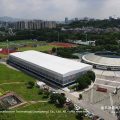 20m x 118m TFS Curve Structure Tennis Court Marquee for 8-Court Sports Park
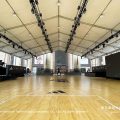 25m Clear Span Exhibition Marquee: Shanghai Urban Plaza Sports Arena
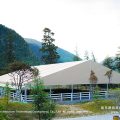 30m x 35m Equestrian Arena Marquee for Mountain Valley Riding Resort
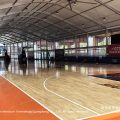 How a Clear Span Sports Court Marquee Created a Year-Round Basketball Arena