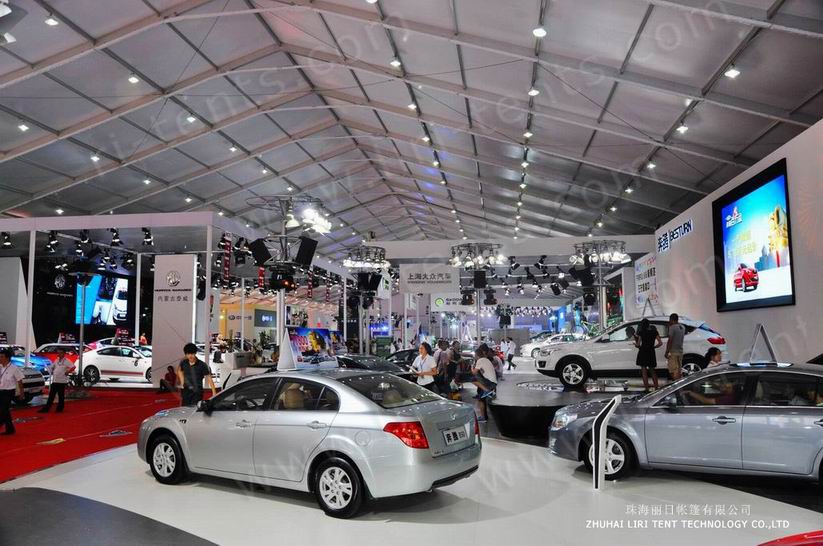
Parking and vehicle storage rarely get the attention they deserve until a hailstorm, a heatwave, or a long business trip forces the issue. A carport tent for sale turns an open driveway into a protected bay at a fraction of the cost of a brick-and-mortar garage. The structure goes up in a day, needs no foundation work, and can be relocated when your property layout changes.
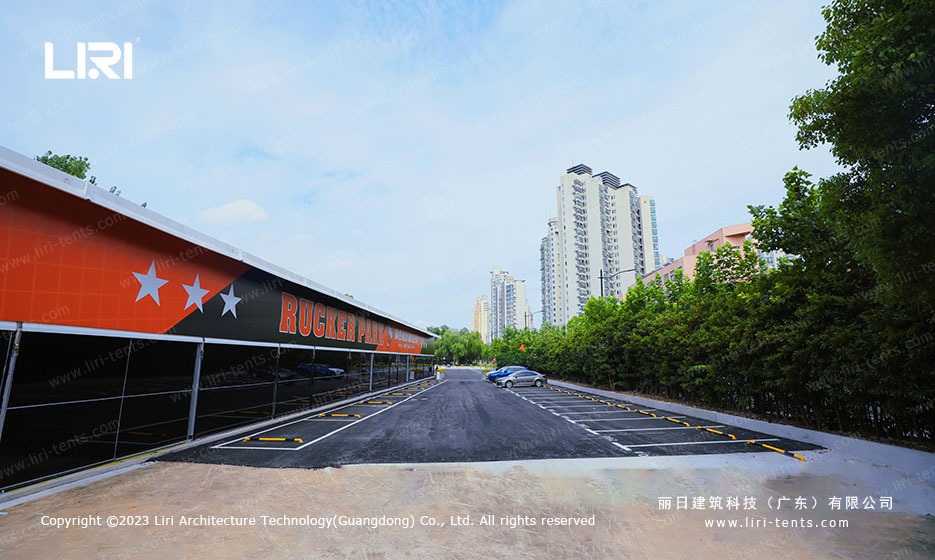
Why an Aluminum Carport Outlasts a Fabric Gazebo
Cheap pop-up gazebos sag under heavy rain and tear in moderate wind, which makes them a poor long-term answer for daily vehicle protection. An aluminum carport uses a rigid frame, bolted connections, and tensioned PVC fabric engineered to shed water and resist uplift. That is the difference between a seasonal shade and a dependable shelter.
Manufacturers such as the car parking canopy at factory price supply both standard and custom spans, so you can protect one sedan or a whole fleet of work vans. Fleet operators and logistics companies use the same technology for temporary loading bays, proving the frame system handles constant commercial use.
Specifications That Matter for Vehicle Storage
Start with the clear span width, which must exceed your vehicle’s width by at least a meter on each side so doors open fully. Then check the side clearance for height, especially for vans, campers, or boats on trailers. The frame should be 6061/T6 aluminum with an anodized finish, and the cover fabric should be double-coated PVC with flame retardant and UV resistant properties.
Wind load is the number to watch. A carport marquee tent for parking rated to 100 km/h covers everyday weather; higher ratings need reinforced anchoring and additional ballast or ground anchors. Snow load matters in cold regions, and a steeper roof angle lets snow slide off instead of accumulating on the cover.
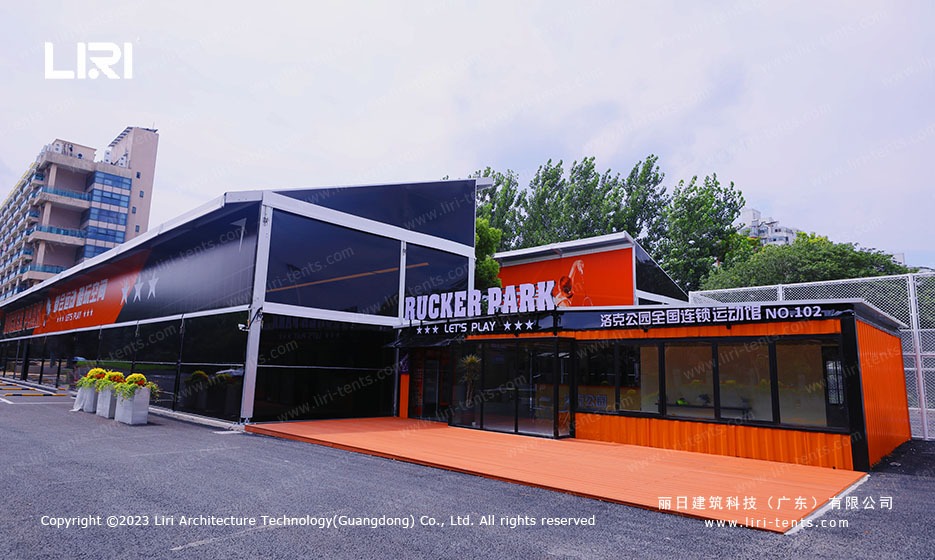
Beyond Parking: Multi-Use Canopy Structures
The same frame that shelters cars doubles as an outdoor event tent for car shows, a covered workstation, or a shaded storage bay for equipment and materials. Dealerships use them for temporary display areas, and auction houses protect vehicles on site between sales.
Businesses planning a launch or display event often start with an aluminum structure marquee for temporary auto showroom, which gives the same professional look as a permanent showroom without the construction timeline. With side walls, lighting, and a logo wall, the marquee becomes a branded space that can be dismantled and reused at the next location.
FAQ
How long does it take to install a carport marquee tent?
A standard single-vehicle carport installs in a few hours with two people, since the frame bolts together and the cover tensioning is straightforward. Larger multi-bay units take a day or two and may benefit from professional supervision, but no concrete works or special permits are usually required for temporary structures.
Can the carport tent handle heavy rain and strong wind?
Yes, when you select the right specification. Double-coated PVC fabric with heat-welded seams stays watertight, while the aluminum frame’s wind load rating and anchoring system keep the structure stable. In exposed locations, add extra ground anchors or ballast to reach the designed wind resistance.
Is a carport tent cheaper than building a garage?
Significantly. A masonry garage involves foundation, walls, roof, and labor, while a marquee carport costs a fraction of that and installs in days rather than months. The trade-off is that the tent structure is semi-permanent, so buyers who need a permanent structure with thermal insulation should budget for a hard-wall option.
Can the same frame be used for other purposes later?
Yes. The modular frame can be reconfigured, fitted with different covers, or moved to a new location entirely. Many owners start with vehicle parking and later adapt the structure for large frame marquees for car shows or storage when the original need changes.
→ Browse Car & Parking Marquee Tents
 Sanya Formula E Marquee Tent: Multi-Zone Layout for Electric Racing Event
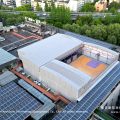 Purple Gable Twin Peak Marquee | Two Retractable Roof Bays Over a Rooftop Basketball Court
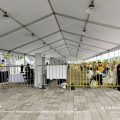 Recent Formula E Shanghai E-Prix Marquee Tent: Multi-Zone Race Village Setup
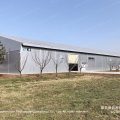 Aircraft Hangar Marquee Tent | Clear-Span Industrial Storage
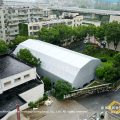 18.5m x 36m Polygon Tennis Court Marquee PG18.5×36-600 | Clear-Span Aluminum Sports Hall
 Badminton Court Marquee | Year-Round Sports Hall Solution