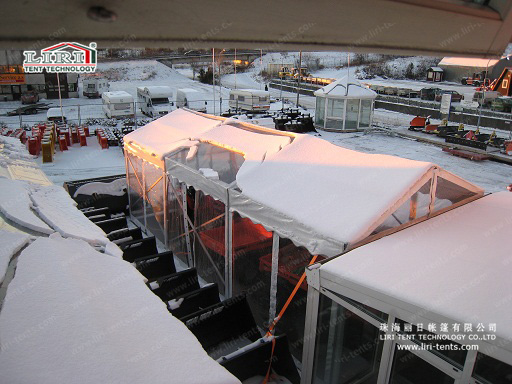
Inclement weather tests a marquee harder than any other factor in its working life. Rain, wind, snow and lightning each put stress on different parts of the structure, and most damage starts with small mistakes in tensioning or anchoring. Understanding how each weather condition acts on the tent is the first step to keeping it standing through a full season of outdoor events.
Wind Load and Frame Strength: What Actually Matters
Wind is the most common cause of marquee failure, and it rarely fails the whole structure at once. What happens is that gusts loosen the ratchet assemblies, pull stakes from saturated ground, or shift the legs by fractions of a meter until the frame goes out of square. Regular upkeep checks catch these problems early: keep the tension on the roof top steady and walk the perimeter after every windy night to check for movement.
Rated wind resistance is only meaningful when the tent is set up exactly as the manufacturer intends. Every anchor point must be used, ballast or stakes must match the ground type, and sidewalls should be fitted or removed according to the forecast. Our tent safety in high wind guide walks through the exact checks we run before every exposed-site event.
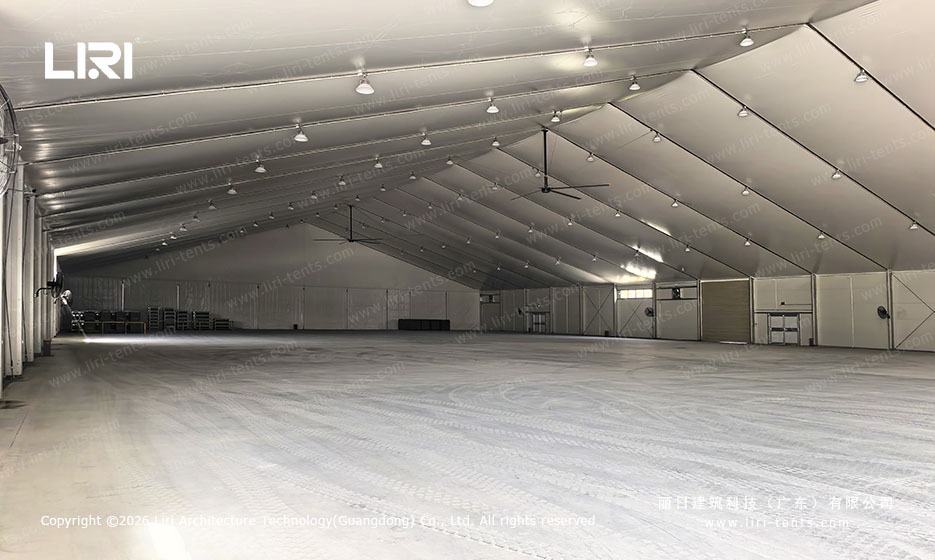
Rain, Ponding, and Fabric Drainage
Rainwater collects on the roof fabric and forms ponds, which add weight fast and pull the material out of tension. A flat roof with sagging fabric is the dangerous combination: the water pocket deepens, the frame deflects, and pole plates can sink into soft soil. The fix starts before the rain arrives, with correct pitch on the roof and clean drainage paths along the gutters.
Saturated ground is its own problem because stakes lose their holding power completely. If the soil turns to mud, the whole anchorage system needs extra ballast or screw anchors to stay effective. Sites that flood repeatedly during the wet season are better served by a structure designed for it, such as the cold weather event marquees we supply for winter outdoor programs.
Snow and Lightning: When to Take the Tent Down
Snow loading is different from rain because it accumulates silently and the collapse can happen without warning. Standard marquee fabric is not engineered to carry heavy snow, so the rule is simple: if snow is falling or forecast, clear the tent and take it down rather than waiting for the load to build. A collapsed roof under snow is expensive to repair and dangerous to clear.
Lightning requires the same immediate action. Evacuate the tent as soon as a storm is close and do not return until the risk has passed, because a marquee is not a protected shelter in an electrical storm. For operators who need year-round coverage, an all weather event marquee with reinforced frame and drainage is the more reliable long-term choice.

Frequently Asked Questions
How does rain damage a tent in wet weather?
Rain pools on the fabric and adds weight until the frame deflects and the fabric loses tension, which makes the ponding worse. Left unchecked, the load can tear the material or drive pole plates into soft soil. The most reliable prevention is correct roof pitch and prompt removal of any standing water.
What wind speed can a marquee handle in stormy weather?
That depends on the frame spec, the anchorage used, and the ground conditions, so there is no single number that applies everywhere. What matters more is that every stake and ratchet is in use before the wind arrives. Following a routine like the one in our extreme weather tent preparation article reduces most wind failures before they start.
Should I take the tent down before snow?
Yes. Marquee fabric is not built to carry heavy snow loads, and collapse can happen fast once the accumulation starts. Clear the tent and strike it as soon as snow is forecast, and use a durable exhibition marquee rated for seasonal use if your site needs year-round coverage.
Get a Weather-Resistant Tent Quote
 10x25m Tension Membrane Marquee Tent: Three-Peak Safari Lodge Structure
 18.5m x 36m Polygon Tennis Court Marquee PG18.5×36-600 | Clear-Span Aluminum Sports Hall
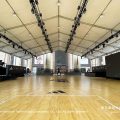 25m Clear Span Exhibition Marquee: Shanghai Urban Plaza Sports Arena
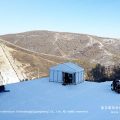 Cold-Weather Event Marquees for Outdoor Winter
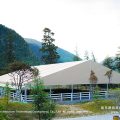 30m x 35m Equestrian Arena Marquee for Mountain Valley Riding Resort
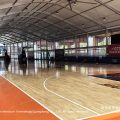 How a Clear Span Sports Court Marquee Created a Year-Round Basketball Arena