Buying a tent from a Chinese supplier can cut your project cost by a third, but only if you check the right things before you pay. The difference between a marquee that survives its first season and one that fails on opening day is rarely the price; it is the engineering, fabric grade, and the supplier’s willingness to put guarantees in writing. This guide walks through what to verify at each stage.
What to Check Before You Contact a Tent Factory
Start with the fabric spec, because that is where most cheap tents quietly save money. A commercial marquee should use PVC-coated polyester at 650 to 900 grams per square meter with a flame-retardant certificate. If the supplier cannot produce the certificate, treat that as a red flag rather than a paperwork delay. Next, check the frame: aluminum alloy profiles with anodized or powder-coated finish, and ask for the wall thickness. The same tent model from two factories can differ by 40 percent in frame weight, and that weight is your durability indicator.
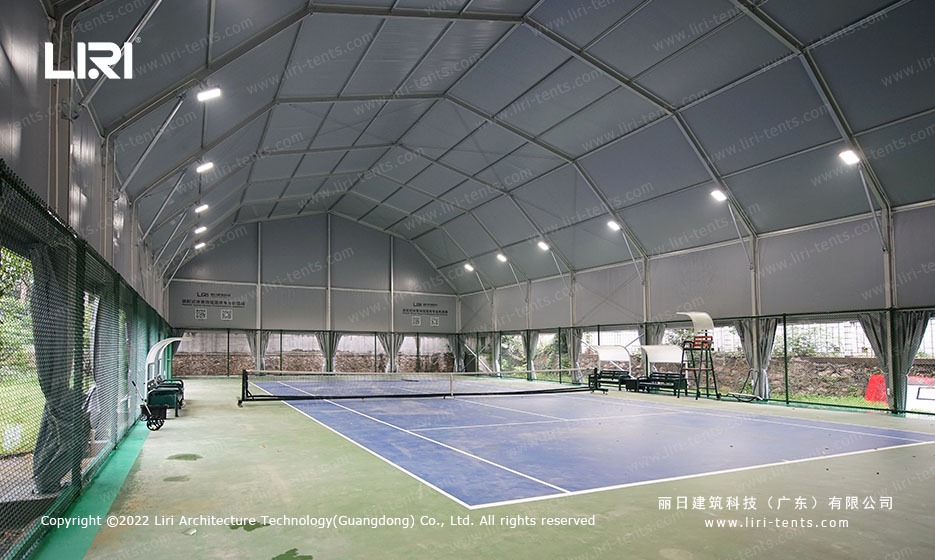
Verify the wind load rating in writing too. A tent rated for 80 km/h is a different product from one rated for 120 km/h, even if they look identical in photos. Ask which standard the rating follows, and request the anchor layout that goes with it. Reliable Chinese tent suppliers publish these numbers because they win orders on them.
Quotation, Payment Terms, and What They Hide
A serious quote lists the fabric weight, frame alloy, surface treatment, wind rating, and what is included: tent body, side walls, stakes, anchor plates, and carrying bags. Watch for quotes that leave out accessories and charge them separately at shipment. The common payment arrangement is a 30 percent deposit with the balance against the bill of lading or after inspection. Be cautious with suppliers asking for full prepayment before production starts.
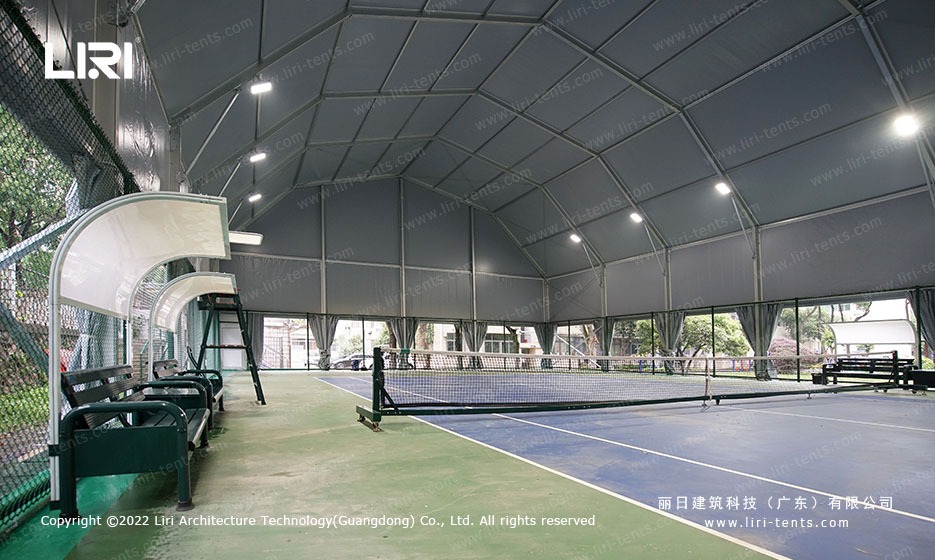
Delivery time is the third negotiation point. Ask for the production window, the ocean freight estimate, and how the tent is packed. A 10x20m marquee ships as a set of steel and fabric bundles that can usually fit in a 20-foot container. If the supplier has experience with tent suppliers for rental businesses, they will also know how to pack for repeat setup and takedown cycles.
Warranty, Spare Parts, and After-Sales Support
A structural tent should carry a written warranty covering frame defects and fabric seams, typically one to two years on the cover and longer on the aluminum. Spare parts matter more than most buyers realize: a broken side wall clip or a lost stake plate should be orderable by part number, not by asking the factory to re-cut a whole panel. Ask how long replacement parts take and whether they ship internationally. This is where multi function canopy tent manufacturers with an established catalog usually have an edge over one-off custom shops. Ask for references and a video walkthrough of the production line too; a factory tour showing the frame welding area tells you more than any sales page.
Marquee Supplier FAQ
How do I know a tent supplier in China is reliable before paying a deposit?
Check three things: a verifiable factory address, production certificates like ISO 9001 and flame-retardant fabric tests, and third-party references you can actually contact. Ask for a live video call inside the workshop. A supplier that passes all three checks is a reasonable bet.
What is the typical lead time for a custom marquee tent order?
Standard models in stock ship within 7 to 15 days after payment. Custom sizes or custom-printed covers usually take 20 to 35 days including production and packing. Ocean freight from China to Europe or North America adds roughly 30 to 45 days, so plan the total timeline around the event date, not the factory date.
Can I get a marquee tent made to my exact size?
Yes, most Chinese manufacturers build to custom dimensions, but standard widths like 10m, 15m, and 20m are cheaper because the frame tooling and fabric rolls are already set. A custom width often means a price premium of 10 to 20 percent. If your site allows it, adjust the layout to a standard module and save the money for better fabric.
What should the shipping quote include for a tent order?
The quote should break down the tent cost, packing, inland trucking to the port, ocean freight, and insurance. Confirm whether the price is FOB, CIF, or door-to-door before comparing suppliers. A low FOB price can look attractive until you add freight and customs, so always compare like for like. For pricing guidance, see how clear top tent suppliers structure their quotations.
→ Request a Detailed Tent Quote
 Electric Retractable Canopies for Industrial & Factory Aisle
 Outdoor Yacht Storage & Workshop Marquees | Flexible Factory Solutions
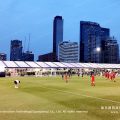 Transparent Marquee Tent for FIFA Fan Zone in Thailand: 20m Clear Span Build
 Badminton Court Marquee | Year-Round Sports Hall Solution
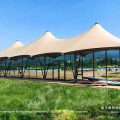 10x25m Tension Membrane Marquee Tent: Three-Peak Safari Lodge Structure
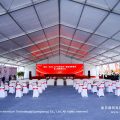 30x40m Foundation Ceremony Marquee Tent for Industrial Park Groundbreaking Event