A polygon high peak tent takes the familiar peaked marquee silhouette and pushes the roof up into a sharp central point, which changes how the structure sheds wind and how it reads from a distance. The frame is built on hexagon, octagon, decagon and dodecagon footprints, so the plan shape can match the site instead of forcing the site to match a rectangle. Event crews use these tents as entrance canopies, bar pavilions and ceremony focal points, and the same geometry appears in high peak marquee for catering events where a striking roofline matters as much as floor space.
Polygon Shapes and Peak Geometry
The high peak is the defining feature: instead of a long ridge line, the roof panels converge on a single apex, giving more headroom in the centre and a cleaner line from every side. Hexagon and octagon versions suit compact areas where you want a full view of the interior, while decagon and dodecagon plans add floor width for bar counters, buffet stations or ceremony seating.
Because the roof is steeper than a flat frame tent, rain and light snow shed quickly instead of pooling. The trade-off is that usable wall height drops closer to the perimeter, so the practical layout keeps heavy furniture in the middle ring and walkways around the outside.
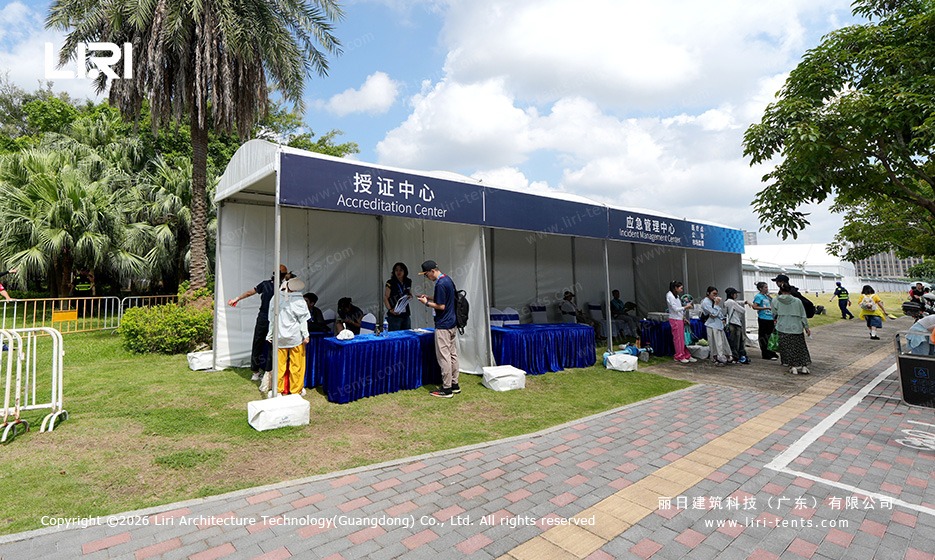
Frame Strength and Wind Resistance
The frame uses hard-pressed extruded aluminum alloy 6061/T6, which gives a good strength-to-weight ratio for a structure that has to come down and move between sites. The roof cover is PVC-coated polyester textile, and the complete tent is rated to resist 100 km/h wind load when anchored per the installation guide.
That rating makes the polygon high peak a stronger option than a flat-top canopy of the same footprint, which is why organisers pair them with transparent high peak canopies for stage areas and entrance plazas where gusts funnel between buildings. For comparison, a conventional flat frame of this size is usually rated lower, so the peaked geometry buys real margin on exposed sites.
Where Polygon High Peak Tents Perform Well
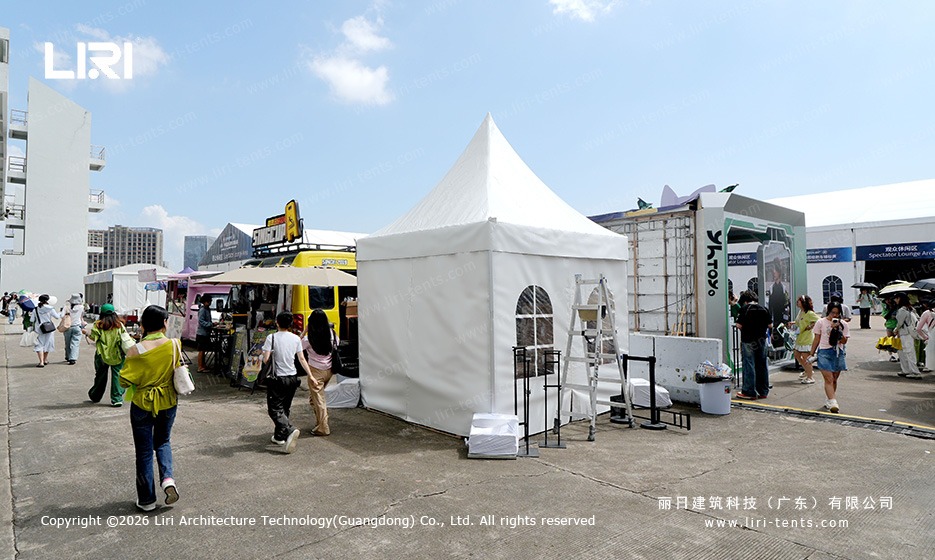
The small packed volume is the practical advantage here. Dismantled frames and fabric roll into compact bundles that fit a standard van, so the tent moves between festival zones, race circuits and town-square events without a flatbed. Assembly and dismantling are straightforward because the peak roof is built from straight aluminum panels that lock together in sequence.
Typical deployments include food festival courts, where polygon tents for food festivals cluster around a shared serving area, and awards nights where a single tall tent anchors the red-carpet arrival point. The optional accessory list covers fireproof PVC side walls, ground anchors, weight plates, interior linen, plastic doors, ABS side walls and transparent roof or side panels, so the same frame can switch between a closed banquet room and an open-air pavilion.
Frequently Asked Questions
What shapes does a polygon high peak tent come in?
The standard plan range is hexagon, octagon, decagon and dodecagon. More sides give more floor width at the cost of a wider footprint, so the choice depends on how much furniture the event needs inside the peak.
How much wind can a polygon high peak tent handle?
The frame and cover are rated to resist 100 km/h wind load when anchored correctly to stable ground. Always follow the installation manual for anchor spacing and check local conditions, since exposed hilltop sites behave differently from sheltered courtyards.
What accessories suit a polygon high peak tent?
Fireproof PVC side walls, ground anchors, weight plates, interior linen, plastic doors, ABS side walls and transparent roof or side panels are all available. For multi-zone sites, the same family includes utility high peak marquee layouts that add storage and service space next to the main pavilion.
→ Browse three peak marquee structures
 Purple Gable Twin Peak Marquee | Two Retractable Roof Bays Over a Rooftop Basketball Court
 18.5m x 36m Polygon Tennis Court Marquee PG18.5×36-600 | Clear-Span Aluminum Sports Hall
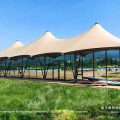 10x25m Tension Membrane Marquee Tent: Three-Peak Safari Lodge Structure
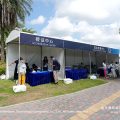 Race Track Marquee Tent | Spectator Lounge and Multi-Zone Race Village for a GT Championship Weekend
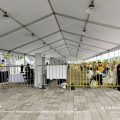 Recent Formula E Shanghai E-Prix Marquee Tent: Multi-Zone Race Village Setup
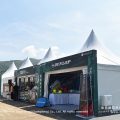 Pagoda & A-Frame Marquee Layout for Davis Cup-Style Tennis Tournament at Hengqin