A marquee tent is a large clear-span structure, and the moment a hurricane or tropical storm is forecast the job changes from hosting an event to keeping the structure intact. The aluminum frame and PVC cover can ride out serious wind when you prepare early, but only if anchoring, ballast and temporary removal happen in the right order. Before you start, review our guide on high wind tent safety, because most failures come from last-minute rushing rather than the storm itself.
What Wind Rating a Marquee Frame Can Take
Most rental-grade marquee frames are built from extruded anodized aluminum (6061/T6) with hot-dip galvanized steel connectors, and under correct base plating they are rated for sustained wind around 80 to 100 km/h, which is roughly an eight to ten magnitude storm. The weak point is rarely the frame itself; it is the connection between the frame and the ground, which is why ballast weight and ground anchors matter far more than the aluminum profile you can see. If you need a structure that also works as off-season cover, our solid wall storage tent uses ABS panels that stop wind getting under the skirt. For longer seasonal use, a temporary warehouse marquee with four-side access gives a ballast-friendly footprint that is easier to secure than a narrow single bay.
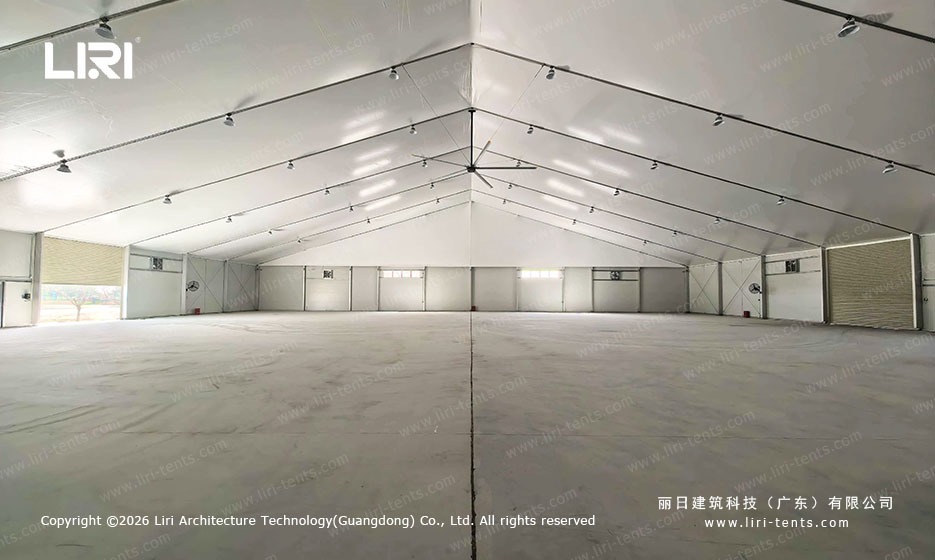
Steps to Secure the Tent Before the Storm
When the forecast shows wind under eight magnitude, the first move is to pull every sidewall tension bar down so it clings to the ground, then strain the rope buckles between each bay until the tent is a fully closed shell that wind cannot get underneath. Standard counterweight should follow the spec sheet for your exact tent type, and as a safety margin you should add cable-stayed steel at a minimum of the four corners, ideally at every bay. Our outdoor event wind planning checklist walks through the ballast math so you are not guessing the tonnage on the day.
Once the shell is closed, walk the full perimeter and re-tension any buckle that has slack, because a single loose panel can flutter and tear once the wind strengthens. Photograph the ballast layout so the same setup can be repeated on the next deployment without reworking the plan from scratch. On sites exposed on more than one side, run a second set of guy ropes at mid-bay rather than only at the corners, since the extra anchor points stop the roof from lifting between frames. Check the tension again an hour after the first pass, because initial loading can settle the ground and loosen the lines you just set.
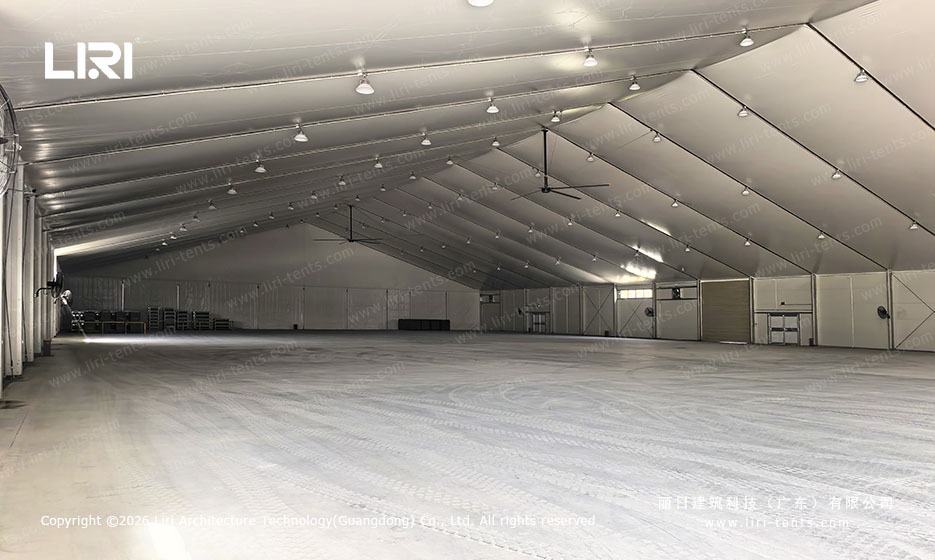
When to Strip or Dismantle the Structure
If the wind is forecast above eight magnitude and you have the labour and time, the safest call is to dismantle the tent completely and rebuild it after the storm passes. Where that is not possible, strip the roof cover and sidewalls and leave only the bare frame standing, then move staff and valuables out so nothing is caught by flying fabric. The high wind safety response protocol covers exactly which bolts to loosen first so the frame survives without its skin.
Frequently Asked Questions
Should I leave the roof on during a hurricane?
No. Once wind passes eight magnitude the roof acts like a sail and the uplift force can pull the frame out of its ballast. Strip the cover and sidewalls, or dismantle entirely, and only refit once the storm has cleared your area.
How much ballast weight does each leg need?
Ballast is calculated from the tent footprint and the expected wind speed, not a fixed number per leg, so always follow the spec sheet for your model. As a rule the corner legs take the highest load, which is why cable-stayed steel at the corners is added on top of the base plates.
Can a clear-span frame survive if I only remove the sidewalls?
Removing sidewalls helps but it is not enough on its own, because the roof still catches wind and creates uplift. For anything above eight magnitude you should remove the roof cover as well, or take the whole structure down.
Which structure handles repeated storm seasons most reliably?
A frame with hot-dip galvanized connectors and a proven ballast plan will outlast several seasons if it is stripped correctly each time. Our weather resistant event marquee is built for exactly this kind of repeat deployment.
→ Browse Full Marquee Tent Range
 20m x 118m TFS Curve Structure Tennis Court Marquee for 8-Court Sports Park
 30m x 35m Equestrian Arena Marquee for Mountain Valley Riding Resort
 30x40m Foundation Ceremony Marquee Tent for Industrial Park Groundbreaking Event
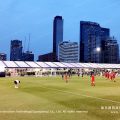 Transparent Marquee Tent for FIFA Fan Zone in Thailand: 20m Clear Span Build
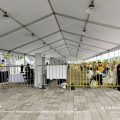 Recent Formula E Shanghai E-Prix Marquee Tent: Multi-Zone Race Village Setup
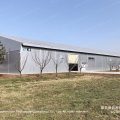 Aircraft Hangar Marquee Tent | Clear-Span Industrial Storage